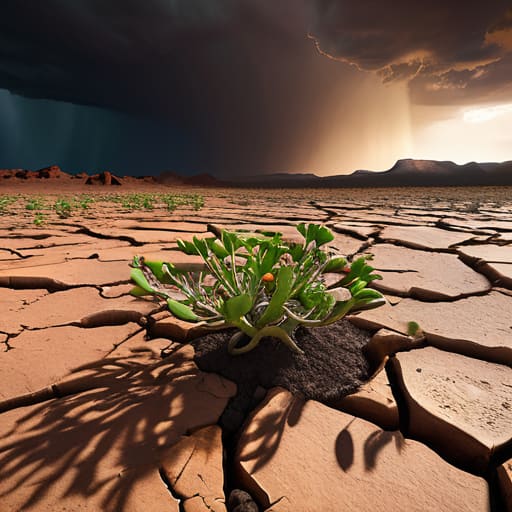
I remember sitting in a cramped hospital room in the late nineties, the smell of antiseptic thick enough to taste, listening to a man pray for a sign that simply wouldn’t come. He wasn’t looking for a theological treatise; he was looking for a reason to keep breathing through the silence. It is precisely this kind of heavy, unvarnished reality that the modern “wellness” industry tries to polish away with bright colors and easy affirmations. They treat seasons of spiritual dryness as if they are mere glitches in a system that can be debugged with a new app or a more expensive retreat, but anyone who has actually lived through the drought knows that silence is not a problem to be solved.
I have no interest in offering you a roadmap or a catchy mantra to fix your soul. Instead, I want to share what I have gathered from thirty years of sitting in the quiet with people who felt abandoned by the divine. I will offer you an honest account of what it looks like when the well runs dry, and more importantly, how to endure the dust without feeling the need to manufacture a miracle just to feel better.
Distinguishing Spiritual Desolation vs Dryness in the Void

It is easy to conflate the two, but in my experience, there is a profound difference between a quiet room and a house on fire. I have often found that people come to me seeking a cure for what is actually a crisis of identity. When we speak of spiritual desolation vs dryness, we are distinguishing between a lack of feeling and a sense of active, painful displacement. Dryness is often a mere thinning of the air—a quiet, dusty stretch where the rituals feel hollow, yet the foundation remains. It is a season of waiting.
Desolation, however, feels more like a dark night of the soul. It isn’t just that the well is low; it is the terrifying suspicion that the well has been swallowed by the earth entirely. In those moments, the silence doesn’t feel peaceful or contemplative; it feels predatory. I have sat with many who felt they were failing at their faith because they couldn’t find God in the silence, not realizing that desolation is often a stripping away of our own spiritual ego, leaving us with nothing but the raw, unadorned truth of our own fragility.
The Exhausted Heart Overcoming Spiritual Burnout
There is a particular kind of fatigue that sleep cannot touch. In my years at the hospital, I saw it often—not just in the bodies of the patients, but in the eyes of the families who had been praying for a miracle for months, only to find their voices failing them. This isn’t the same as the sharp, stinging ache of spiritual desolation; it is more of a dull, heavy numbness. When we talk about overcoming spiritual burnout, we often make the mistake of treating it like a battery that simply needs recharging. But you cannot simply plug a weary soul into a new set of rituals and expect the light to come back on immediately.
Sometimes, the most honest thing you can do is stop trying to manufacture fervor. We tend to view our lack of feeling as a failure of will, a sign that we aren’t trying hard enough at our spiritual disciplines for renewal. Yet, I have found that when the heart is truly spent, the most profound movement often happens in the stillness of surrender. It isn’t about finding a way back to the “feeling” of faith, but rather learning to inhabit the quiet, empty space where the old ways no longer work.
The Quiet Weight of the Void
We tend to treat spiritual dryness as a malfunction, a broken gear in some divine machine that needs immediate repair, but I have come to see it more as a long, grey afternoon where the light simply refuses to change. You cannot lecture the sun into rising, and you cannot certainly lecture your soul into feeling something it isn’t ready to feel; sometimes, the only honest thing to do is to sit in the stillness and stop apologizing for the silence.
Alasdair Renwick-Hale
The Quiet After the Storm
We have wandered through the difficult distinctions between the sharp ache of desolation and the mere, hollow stillness of dryness. We have looked at the heavy, bone-deep fatigue of burnout that makes even the simplest prayer feel like lifting a mountain. I have no grand architecture of solutions to offer you, nor a set of steps to climb out of the valley. What I can say is that these seasons are not failures of character or signs of a lost faith; they are often the unavoidable rhythms of a life lived deeply. To experience the void is, in its own strange way, to be fully present to the reality of our own limitations and the vastness of what we cannot control.
If you find yourself sitting in that silence today, please do not mistake the absence of feeling for the absence of meaning. There is a certain kind of strength that only grows in the dark, a quiet resilience that doesn’t require a single word of praise to exist. You don’t need to manufacture a sense of wonder to justify your existence; sometimes, simply enduring the silence is the most profound act of faith you can offer. Just keep breathing, keep sitting, and trust that the seasons, however long they seem, are never truly static.