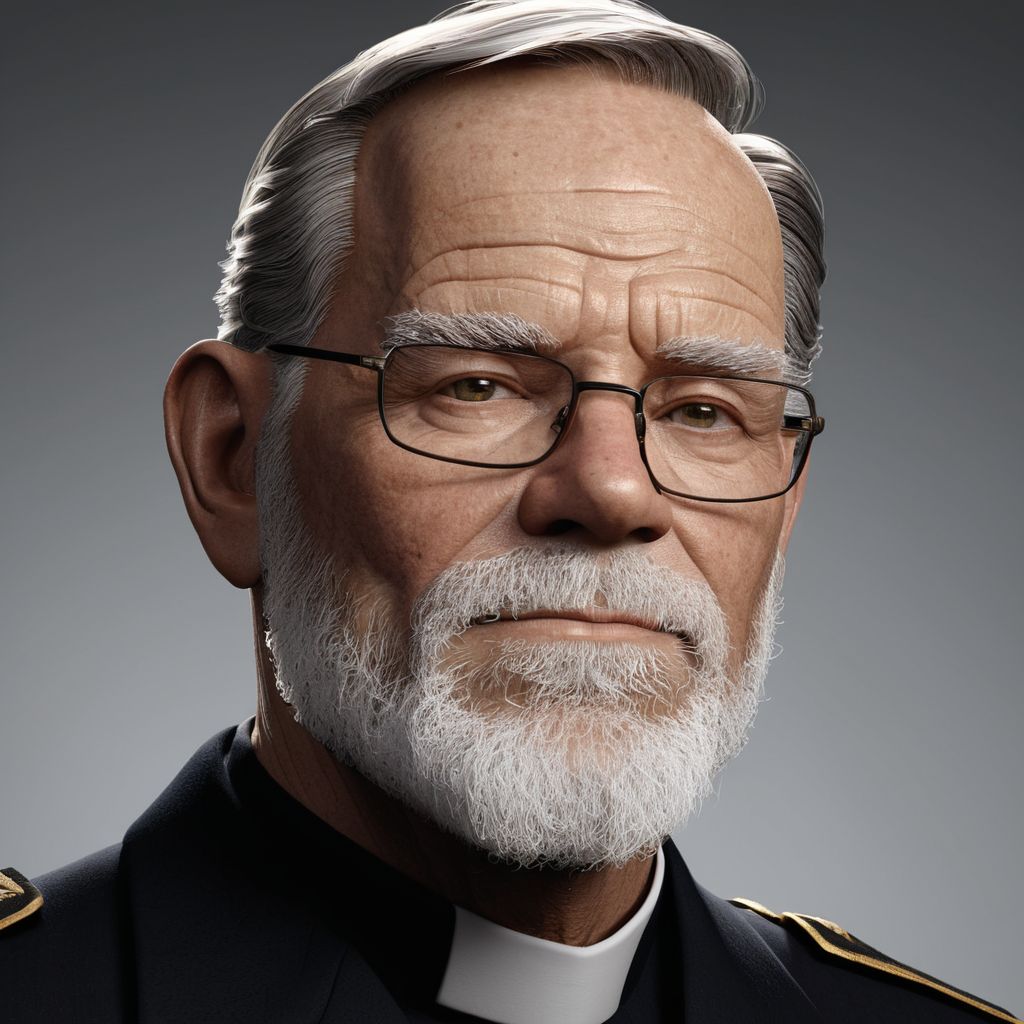
I remember sitting in a sterile, dimly lit room in the oncology ward, the smell of antiseptic hanging heavy in the air, listening to a man in his fifties try to explain why his sudden, crushing uncertainty wasn’t a sin. He was terrified that his questions were a betrayal, as if he could somehow think his way back into a tidy, uncomplicated belief system. It is the great lie of modern piety that we are supposed to arrive at the end of our rope with a smile and a scripted prayer; we are taught to treat doubt as part of faith as if it were a mere technical glitch to be patched, rather than the very ground upon which a real relationship with the divine is built.
I have no interest in offering you the polished, easy answers found in a Sunday school pamphlet. What I can offer instead is the unvarnished truth of what happens when the slogans fail and the silence of God becomes deafening. In the pages ahead, I want to walk with you through the messy, uncomfortable reality of questioning, drawing on decades of sitting in the quiet corners of human suffering to show you that your uncertainty isn’t a sign of failure, but a mark of honesty.
Intellectual Honesty in Faith Beyond the Confident Slogan
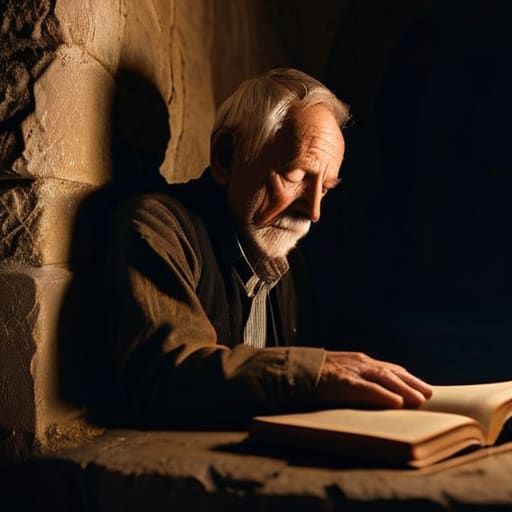
I recall a man I sat with many years ago, a deacon who had spent his life providing answers to others. When his own world finally fractured, he was terrified because he had no script for the silence that followed. He felt that his inability to profess certainty was a failure of character. But that is the trap of the modern pulpit: we have traded the profound mystery of the divine for a series of tidy, polished slogans that demand we never stumble. True intellectual honesty in faith requires us to admit when the old metaphors no longer hold the weight of our actual experience.
To lean into the role of questioning in belief is not an act of rebellion; it is an act of respect. If we believe we are pursuing a truth that is larger than our own minds, then we must allow for the possibility that our current understanding is, at best, a rough sketch. When we stop trying to perform a certainty we do not feel, we finally make room for something more substantial. It is in that uncomfortable space—where the slogans fail and the certainties dissolve—that we actually begin to encounter the real thing.
Navigating Religious Doubt Without Losing Your Way
I remember a man I sat with in a hospice ward years ago—a man who had spent his entire life as a deacon. He wasn’t asking for a miracle or a theological proof; he was simply wrestling with the silence. In those moments, I realized that navigating religious doubt isn’t about finding a map that leads you back to a safe, comfortable harbor. It is more like learning to sail in a fog where the landmarks have vanished. If we view every tremor of uncertainty as a sign of failure, we end up building a faith that is brittle, something that snaps the moment the wind turns cold.
Instead, we must consider that the role of questioning in belief is not a sign of decay, but perhaps a sign of life. A healthy organism grows by stretching, and often that stretch feels more like a tearing. When we stop treating our questions as enemies to be defeated, we allow for a certain kind of spiritual uncertainty and growth that a static, unexamined certainty can never touch. It is a slow, often painful process, but there is a particular kind of integrity found in staying in the room with the questions, even when they offer no easy comfort.
The Weight of the Unanswered
I have learned that the most profound moments of grace rarely arrive in the thunder of a certainty; more often, they are found in the quiet, uncomfortable grit of staying in the room when the prayers feel hollow and the answers have all run dry.
Alasdair Renwick-Hale
The Quiet Persistence of Staying
We have spent some time looking at how doubt isn’t a sign of failure, but rather a byproduct of taking our commitments seriously. We’ve discussed why the easy, polished slogans of certainty often fail us in the dark, and how navigating these questions requires a certain kind of intellectual grit. Ultimately, what I have found in my years—both in the hospital wards and at my writing desk—is that faith is not a destination where all questions are finally answered. Instead, it is a way of moving through the world, even when the path is obscured by fog and uncertainty. It is about the refusal to trade the complexity of truth for the comfort of a simplistic lie.
So, if you find yourself in a season where the old certainties have begun to fray at the edges, please do not mistake that fraying for an end. There is a profound, if quiet, dignity in sitting with the questions that refuse to be solved. I have learned that the most resilient kind of belief is not the one that claims to have seen everything clearly, but the one that is brave enough to remain in the room when the lights go dim. Do not rush to fix the doubt; sometimes, the doubt is simply the soul’s way of making room for something deeper and more honest to take root.