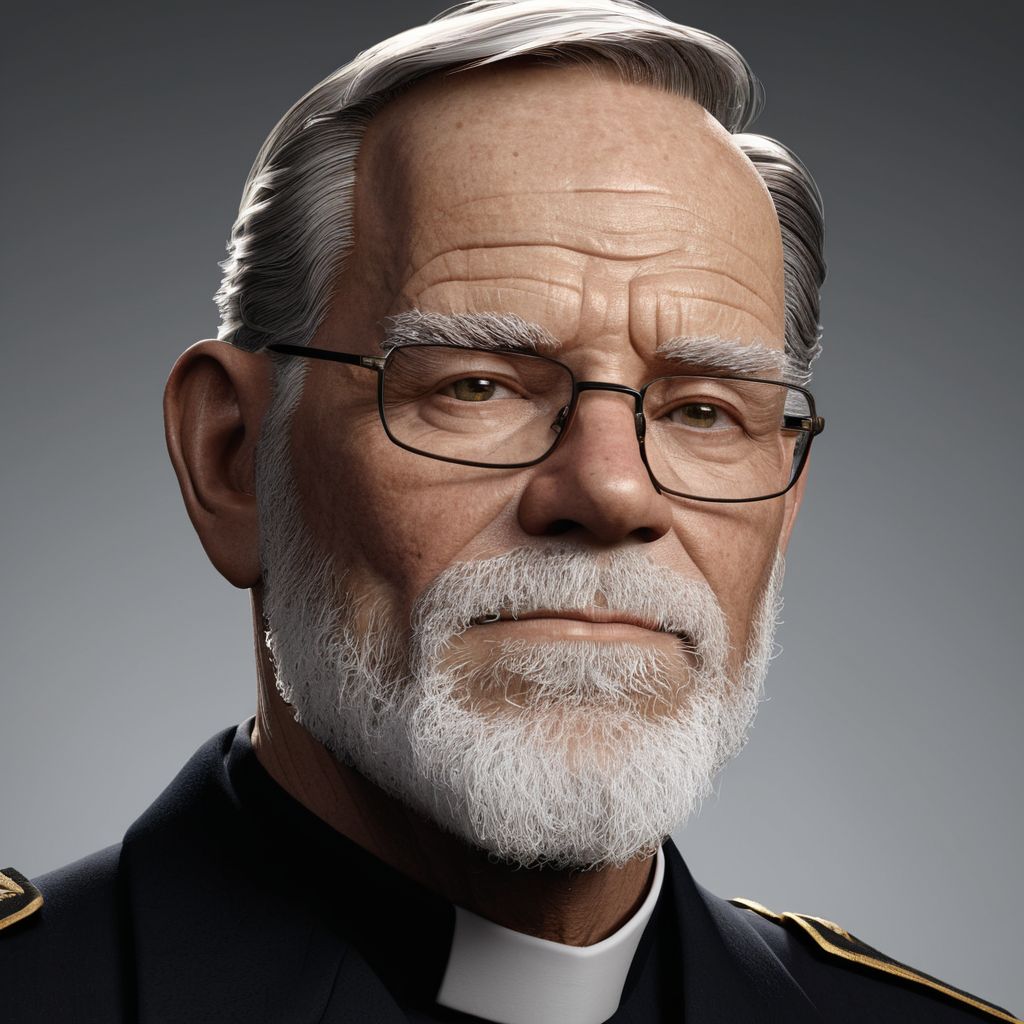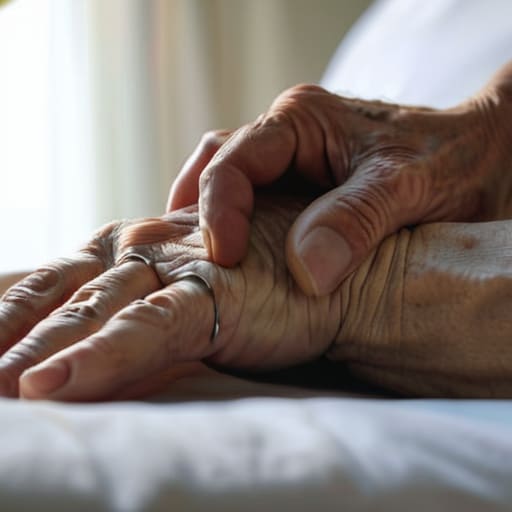
I remember the smell of antiseptic and stale lilies most clearly—a scent that always seemed to hang heavy in the corridors of the oncology ward during my years as a chaplain. There was a man, a retired carpenter named Elias, who spent his final weeks fighting a battle not against his cancer, but against a stack of glossy brochures promising “empowered autonomy” through endless, aggressive interventions. We often mistake the ability to choose every procedure for the ability to maintain our selfhood, but I learned then that true medical decisions and dignity rarely look like a checklist of high-tech options. Often, dignity is found in the quiet, difficult choice to stop fighting the inevitable and start inhabiting the present.
I am not here to offer you a roadmap to a perfect outcome, because in the face of mortality, there is no such thing. Instead, I want to share the hard-won observations of someone who has sat in the heavy silence of many a bedside. I will offer you an honest account of where the science ends and the human spirit begins, providing a perspective built not on slogans, but on the accumulated judgement of those who have walked through the fire.
Where Patient Autonomy in Healthcare Meets the Unavoidable
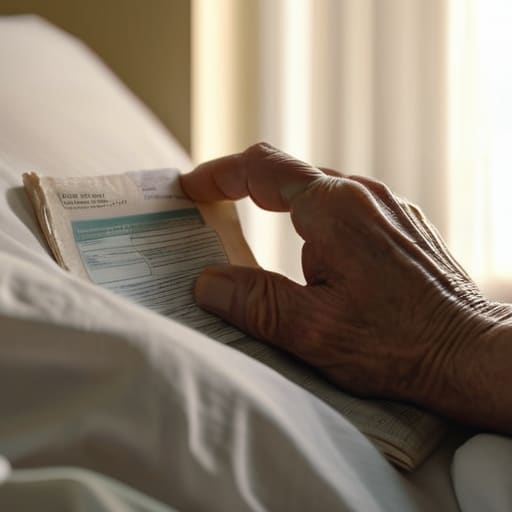
We often speak of patient autonomy in healthcare as if it were a sturdy, unbreakable contract—a legal shield that ensures we remain the masters of our own fate. In the seminar rooms of medical ethics, the concept is pristine. It suggests that if we simply fill out the right forms and state our wishes clearly, we can command the course of our own decline. But I have seen how quickly those neat lines blur when a person is actually facing the threshold. There is a profound difference between deciding how you want to be treated in a classroom and navigating the messy reality of a body that no longer listens to your commands.
The truth is that true ethical medical decision making requires us to acknowledge a hard limit: we can plan for our preferences, but we cannot plan for the sheer, unpredictable weight of suffering. You can draft the most meticulous advance healthcare directives, yet there remains a gap between the paper and the person. I’ve learned that dignity isn’t found in the absolute control of the outcome, but in the graceful acceptance of what we cannot govern.
The Fragile Balance of Quality of Life in Medical Treatment
We often talk about “quality of life” as if it were a measurable metric, something we could track on a chart like blood pressure or oxygen saturation. But in my years visiting bedsides, I learned that quality is a deeply personal, often messy, definition. For one person, it might mean the ability to recognize a grandchild’s face; for another, it is simply the absence of a certain kind of breathlessness. When we engage in ethical medical decision making, we aren’t just weighing pros and cons; we are trying to map the landscape of a person’s soul.
The difficulty lies in the fact that these definitions shift as the body fails. A treatment that felt like a lifeline a month ago can suddenly feel like a heavy, intrusive burden. This is where the concept of preserving dignity in palliative care becomes so vital. It isn’t about the clinical success of a procedure, but about whether the intervention allows the person to remain themselves for a little while longer. We have to be brave enough to admit that sometimes, the most compassionate path isn’t to prolong the struggle, but to honor the quiet grace of letting go.
The Silence After the Decision
We spend so much time debating the rightness of a choice, as if there were a mathematical formula for a good death, but dignity isn’t found in the perfection of the decision; it is found in the quiet, trembling courage of a person who has finally stopped fighting the inevitable and started simply being.
Alasdair Renwick-Hale
The Quiet Space Between
We have spent much of our time looking at the mechanics of choice—the tension between our desire for control and the stubborn, unyielding reality of a failing body. We have seen how autonomy can feel like a hollow promise when the options themselves are so limited, and how the pursuit of “quality of life” often becomes a moving target that leaves us exhausted. Ultimately, dignity is not found in a perfectly executed medical plan or a flawlessly managed death. It is found in the honesty of our surrender and the recognition that there is a limit to what science can mend and what the human will can command.
As I sit here at my desk, looking at the ink stains on my hands, I am reminded that the most profound moments of grace rarely happen in the middle of a clinical debate. They happen in the silence that follows the decision to stop fighting the inevitable. If you find yourself standing at that threshold, stripped of your certainties, please know that you are not failing. To accept our limitations is not a defeat; it is perhaps the most profoundly human act we have left. In the end, we are not defined by how long we can hold on, but by how we inhabit the space where the medicine ends.