I remember sitting in a dimly lit hospice room late one Tuesday, listening to a man try to explain his entire life’s philosophy to a stranger who was clearly only checking the clock. There was a profound, aching gap between them—a failure of presence that felt strangely familiar to the way we navigate our digital lives today. We speak of the internet and fragmentation as if it were some new, high-tech glitch in the software, but I suspect it is something much older and more human. We have traded the heavy, difficult work of being truly known for the convenience of being perfectly curated, and in doing so, we have splintered our very sense of belonging into a thousand jagged pieces.
I am not here to offer you a digital detox or a collection of clever slogans about “reconnecting.” I have spent too many years sitting in the quiet spaces of human suffering to believe that a lifestyle hack can fix a structural soul-sickness. Instead, I want to look closely at the cracks. I intend to offer an honest account of where our shared digital reality runs out, drawing on what I have learned about community and history to help us understand why we feel so alone in such a crowded room.
The Illusion of Connection in Social Media Echo Chambers

I spent three decades in hospital wards, sitting by bedsides where the most important things were often left unsaid. There is a specific kind of silence that exists when two people are actually present with one another. It is nothing like the hollow, frantic noise of our modern digital lives. Today, we mistake the ability to broadcast our certainties for the ability to actually connect, yet we are increasingly trapped within social media echo chambers that feel more like cages than forums.
We are told these platforms bring us together, but I see something different happening. We are being ushered into these highly manicured walled gardens in digital spaces, where the architecture itself is designed to protect us from anything that might challenge our existing comforts. Instead of a vast, shared landscape, we find ourselves in curated loops, fed a steady diet of our own reflections. It is a strange sort of loneliness—to be surrounded by voices that sound exactly like our own, only to realize we have lost the capacity to hear anyone else at all.
Walled Gardens in Digital Spaces and the End of Common Ground
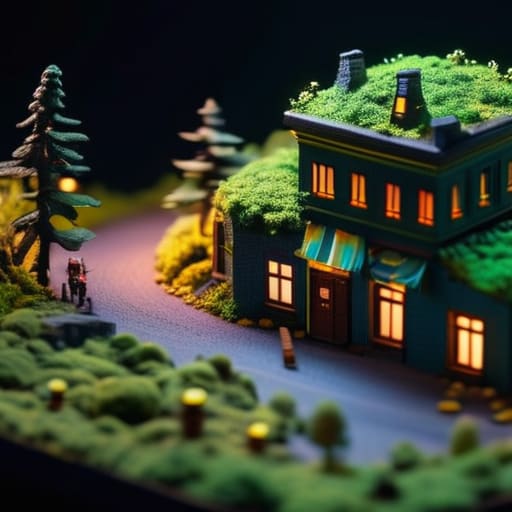
I remember a time when a library felt like a shared territory, a place where you might stumble upon a book that challenged your very foundations. Today, that sense of shared discovery is being replaced by what developers call walled gardens in digital spaces. We are no longer wandering through a common landscape; we are being ushered into curated, highly manicured enclosures designed to keep us comfortable and, more importantly, predictable. These platforms aren’t built to broaden our horizons, but to ensure we never have to encounter a thought that makes us feel truly unsettled.
As these boundaries harden, we see the rise of a sort of digital sovereignty and splinternet, where the vast, open sea of information is partitioned into private, gated fiefdoms. It is a quiet, creeping isolation. When our digital lives are confined to these proprietary ecosystems, the very idea of a “public square” begins to feel like a nostalgic myth. We aren’t just losing a sense of shared truth; we are losing the ability to even recognize that a common ground once existed.
The Cost of the Silo
We were promised a great, shared library where every mind might meet, but instead, we have built a series of narrow, soundproof rooms, each one whispering exactly what we already believe to be true.
Alasdair Renwick-Hale
The Quiet Work of Staying Present
We have spent these pages tracing the ways our digital architecture has pulled us apart, moving from the hollow echoes of social media to the fortified, walled gardens that claim to protect us while actually starving our capacity for nuance. It is easy to look at this fragmentation and feel a sense of profound, irreversible loss—as if the very fabric of a shared reality has been shredded beyond repair. I have seen this pattern before in the corridors of hospitals and the quiet corners of old parishes; when people retreat into the certainties of their own small tribes, they often mistake that safety for truth. But we must recognize that these digital divides are not natural laws; they are constructed environments that thrive on our tendency to seek the comfort of the familiar over the uncomfortable labor of understanding.
So, where does this leave us when the maps no longer match? I suspect the answer isn’t found in a new piece of software or a grander digital treaty, but in the small, stubborn refusal to disappear into the crowd. It is found in the willingness to sit with a person whose views make us uneasy and to listen—not to find a way to win, but to find a way to be present. We may never fully mend the splintered web, but we can still choose to build small, sturdy bridges of character in the gaps. In the end, the most radical thing we can do in an age of fragmentation is to remain stubbornly, inconveniently human.