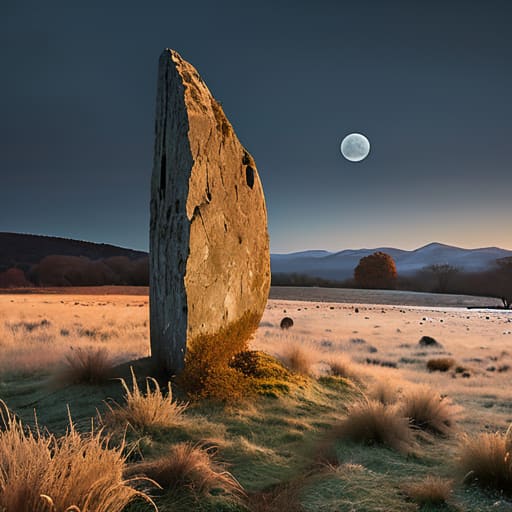
I remember sitting in a dim hospital room during a particularly brutal February, watching a man try to find meaning in a life that had been stripped of its predictable patterns. He wasn’t interested in the polished, aesthetic “seasonal living” you see on glossy social media feeds, nor did he care for the productivity hacks that claim calendars and seasonal rhythms can be mastered like a mathematical equation. There is a certain exhaustion that comes from trying to force a human soul into a rigid, color-coded grid, especially when the world outside feels as though it is fraying at the edges.
I have no interest in selling you a more efficient way to manage your time or a prettier planner to buy. What I want to do, instead, is look at where these structures actually hold us up and where they inevitably fail us. I intend to share what I’ve learned from decades of observing people in their most unscripted moments—not to provide a perfect system, but to offer an honest account of how we might inhabit our days with a bit more grace and a lot less frantic striving.
The Friction of Fighting Natural Cycles of the Earth
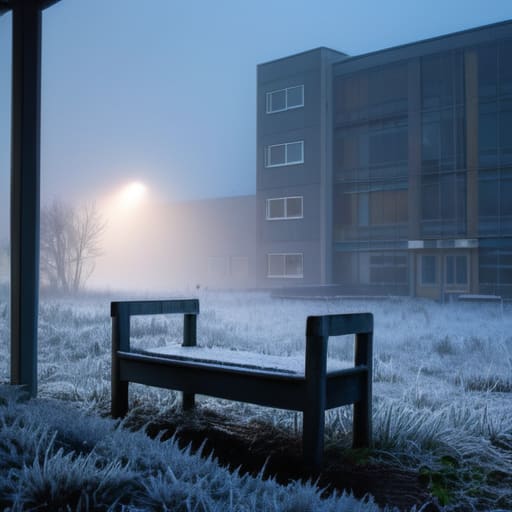
I remember sitting in the hospital gardens during a particularly bitter February, watching a young man try to force himself into a state of productive vigor that simply wasn’t there. He was fighting the frost, both literally and internally. We often treat our energy as a constant, a steady stream we can tap into at will, but we ignore how the natural cycles of the earth exert a quiet, heavy pressure on our very biology. When the light fails us in December, expecting the same mental sharpness we possessed in June feels less like discipline and more like a slow, grinding war against our own skin.
There is a profound exhaustion that sets in when we attempt to bypass these shifts. We try to maintain a static pace, ignoring how our circadian rhythm and seasonal changes are inextricably linked. We build lives of perpetual noon, bright and demanding, only to find ourselves brittle when the shadows inevitably lengthen. To live against the grain of the year is to invite a specific kind of spiritual fatigue—a sense that we are merely performing a role rather than inhabiting a life.
Aligning Lifestyle With Nature Without the False Promises
There is a particular kind of modern cruelty in the idea that we can simply “optimize” our way into harmony. I see it often in the wellness literature—a polished, aggressive sort of advice that suggests if you just track your circadian rhythm and seasonal changes with enough precision, you will finally achieve a state of effortless grace. It treats the soul like a machine to be tuned. But in my years in the hospital, I learned that the body and the spirit rarely follow the neat, colored lines of a planner. You cannot simply command your exhaustion to vanish because the solstice has arrived; sometimes, the season demands a heavy, slow mourning that no productivity app can account for.
True seasonal living practices are less about mastery and more about a quiet, perhaps even messy, surrender. It is about acknowledging that our capacity for outward labor must ebb alongside the waning light. Instead of trying to force a constant, sun-drenched vitality, we might find more honesty in accepting the diminishing returns of our winter months. We aren’t meant to bloom all year round, and there is a profound, quiet dignity in allowing ourselves to simply endure the cold.
The Tyranny of the Grid
We treat calendars like maps that should guide us, but more often, they act like cages; we spend so much energy trying to force our messy, seasonal souls into the neat, predictable lines of a printed page that we forget the earth itself is never actually on schedule.
Alasdair Renwick-Hale
The Quiet Yielding
We must eventually admit that no planner, no matter how beautifully bound, can truly domesticate the wilder impulses of the human spirit or the turning of the year. We have spent so much energy trying to engineer a life of perpetual spring—constant growth, constant productivity, constant light—only to find ourselves brittle and exhausted when the inevitable winter arrives. To live well is not to master the calendar, but to stop treating the seasons as obstacles to be overcome. It is about acknowledging that there is a necessary, even holy, friction between our modern ambitions and the slow, heavy rhythms of the earth that we so often try to ignore.
Perhaps the goal isn’t to find a perfect rhythm, but to develop the grace to inhabit the messy ones. When the days shorten and your energy wanes, do not reach for a new productivity hack or a more efficient schedule; instead, try to sit with the stillness that the season demands. There is a profound, albeit difficult, wisdom in allowing ourselves to be dormant, to be quiet, and to be unremarkably still. In the end, we are not separate from these cycles, and we find our truest selves not by conquering time, but by finally learning how to move with it.