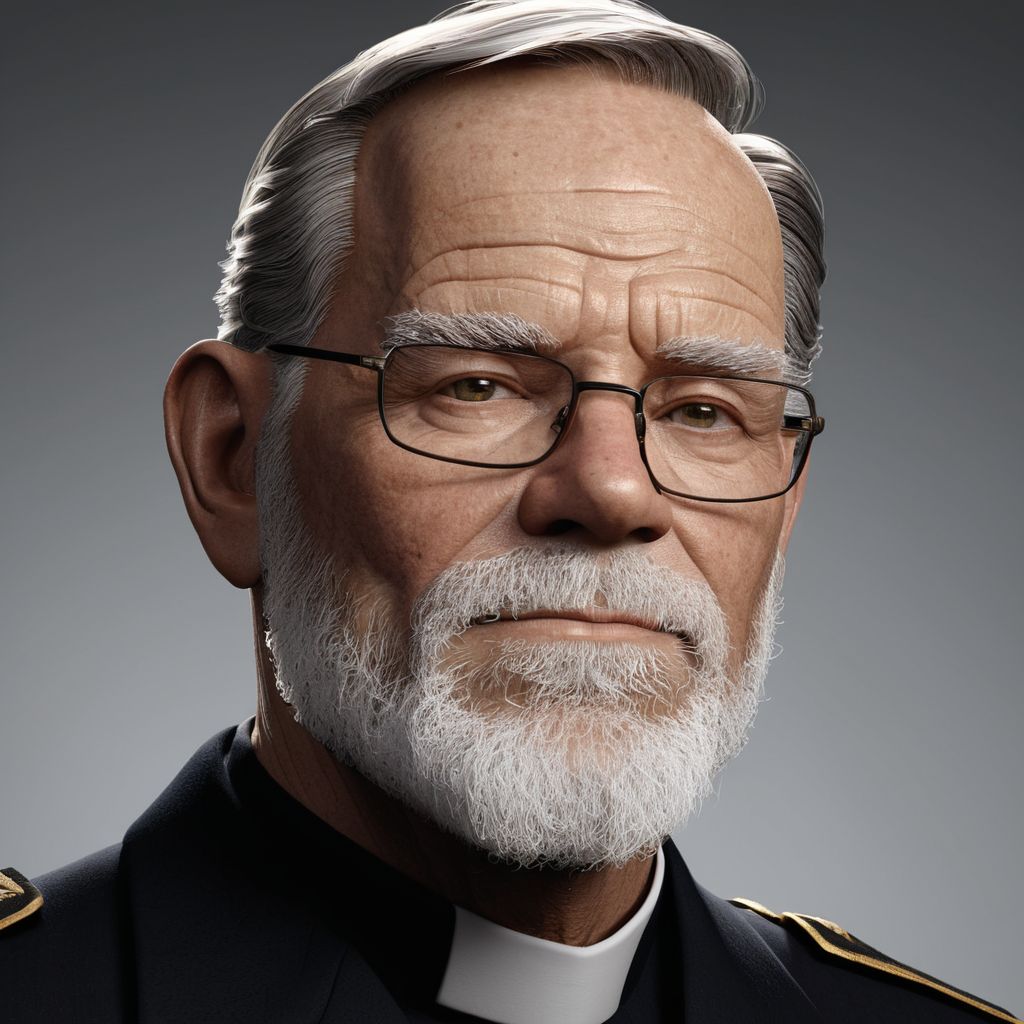
We tend to treat the concept of pluralism as if it were a polished, civic achievement—a tidy box we checked once we learned to tolerate the neighbor’s different politics or prayer. We speak about the modern period and pluralism with a sort of academic smugness, as if the mere coexistence of competing truths is a solved equation. But after thirty years of sitting in hospital rooms, listening to people grapple with the raw, unvarnished edges of their own convictions, I’ve found that this “tolerance” often feels less like a shared community and more like a fragile truce held together by polite silence.
I have no interest in offering you the glossy, optimistic slogans that populate most sociology textbooks. Instead, I want to look at the actual friction—the places where our modern theories of coexistence tend to crack under pressure. My aim here is to offer an honest account of what happens when our intellectual frameworks meet the messy reality of human difference. I won’t promise you a way to fix the fractures, but I will walk with you through the places where the easy answers run out.
Societal Shifts in Modernity and the Death of Certainty
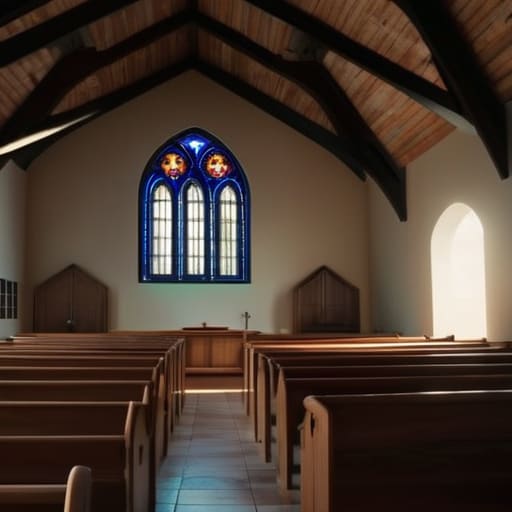
I remember sitting in the hospital chapel during the late eighties, watching the world outside seem to tilt on its axis. It wasn’t a sudden snap, but a slow, grinding transition. We were moving away from a time when a single, shared narrative could hold a community together, drifting instead into these profound societal shifts in modernity that left many feeling unmoored. We used to rely on a certain architectural stability in our shared values, but as the decades progressed, that structure began to feel less like a foundation and more like a cage for some, and a vanishing ghost for others.
The arrival of true secularism and religious diversity meant that the old ways of deciding what was “true” or “common” simply stopped working. It wasn’t just that we had more voices in the room; it was that the very ground upon which we stood was being redefined by every new conversation. We moved from a world of inherited certainties to one of negotiated identities, where the quiet consensus of the past was replaced by a constant, often exhausting, process of re-evaluation. It is a heavy way to live, constantly asking which parts of ourselves are communal and which are merely performative.
The Fractured Promise of Cultural Diversity in the Contemporary Era
We tend to speak of cultural diversity in the contemporary era as if it were a seamless tapestry, a colorful fabric woven with intentional care. But in my years sitting in hospital wards, listening to the quiet anxieties of people from every conceivable background, I found that the reality is often more of a mosaic—one where the pieces don’t always want to fit together. We promote the idea of a global village, yet we frequently mistake mere proximity for true connection. There is a profound difference between living beside one another and actually living with one another.
The friction we feel today often stems from the way we handle multiculturalism and social cohesion. We have mastered the art of the polite nod and the superficial celebration, but we are increasingly clumsy when it comes to the heavy lifting of shared meaning. Instead of building bridges, we often find ourselves retreating into the fortified camps of identity politics in modern society, seeking safety in the familiar rather than courage in the unknown. It is easy to celebrate diversity in a lecture hall; it is quite another thing to navigate the messy, unscripted tensions that arise when different worldviews demand space in the same room.
The Weight of the Unanswered
We often mistake pluralism for a simple matter of making room at the table, but true pluralism is far more uncomfortable than that; it is the grueling, lifelong work of sitting in the silence between two competing truths and refusing to pretend that one of them must be wrong just so we can all sleep better at night.
Alasdair Renwick-Hale
The Quiet Work of Staying Present
We have traced the long arc from the collapse of grand, singular narratives to the fragmented landscape of our current pluralism. It is tempting to view this transition as a simple movement from order to chaos, but my time in the hospital wards taught me that order is often just a polite word for silence. We have moved away from the comfort of a shared certainty, and in doing so, we have traded the safety of a single truth for the messy, often exhausting reality of competing ones. The modern era has not solved the problem of how we live together; it has merely stripped away the illusions that once made it look easy. We are left with the friction, and we must learn to dwell within that tension rather than trying to smooth it over with new, equally hollow slogans.
Perhaps the goal is not to find a way back to a unified whole, but to learn how to be a community in the midst of the breaks. If pluralism is to be anything more than a polite way of ignoring our neighbors, it requires a certain kind of disciplined attention—the willingness to listen to a story that does not confirm your own. It is a slow, unglamorous task, much like the patient stitching of a broken binding. But there is a profound dignity in it. We may never find a single foundation that holds us all, but we can find meaning in the attempt to stand together, even when the ground beneath us feels perpetually unsettled.