
I remember sitting in a dimly lit oncology ward in the late nineties, the air thick with the medicinal tang of antiseptic and the low, rhythmic hum of a heart monitor. A young man, barely twenty, looked at me with eyes that had seen too much too fast, and he didn’t want a lecture on resilience or a pamphlet on “coping mechanisms.” He didn’t want a slogan; he wanted to know if someone could just bring him a decent cup of tea and help him figure out how to pay his rent while he couldn’t work. It is in those quiet, desperate moments that I realized most of what we call practical help in crisis is nothing more than hollow, decorative sentiment.
I have no interest in offering you polished platitudes or a ten-step program to “conquer” your hardship. Instead, I want to share what I learned from thirty years of sitting in the wreckage of people’s lives: the small, unglamorous things that actually hold a person together when the world falls away. I will offer you an honest account of where the grand gestures fail and where the real, quiet work begins.
Where Disaster Relief Logistics Actually Meet Human Need
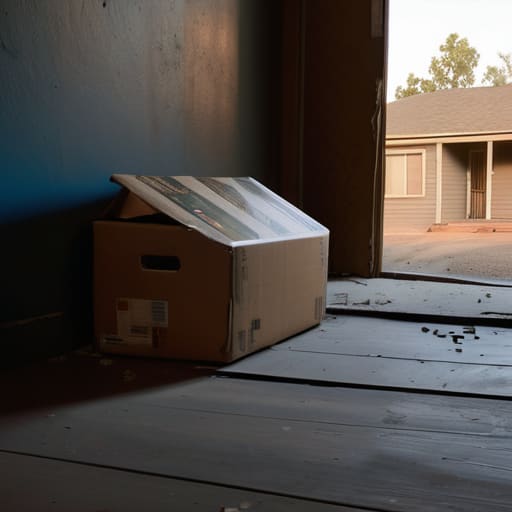
In my years at the hospital, I learned that a person in the throes of a crisis rarely cares for a well-organized spreadsheet, even if that spreadsheet is what keeps the lights on. We often talk about disaster relief logistics as if they were merely a matter of moving boxes from point A to point B. But there is a profound, often overlooked friction that occurs when those boxes arrive. You can provide all the immediate community support in the world, but if the delivery arrives at a time when the recipient is too exhausted to even open the door, the logistics have failed the human.
True efficacy lies in the messy middle ground where the supply chain meets a person’s dignity. It isn’t enough to simply solve for food security in crisis; one must consider how that food is handed over. I have seen how a simple, well-timed instance of emergency meal assistance can do more to steady a trembling spirit than a mountain of impersonal resources. It is the difference between being a recipient of charity and being a neighbor receiving a meal. We must learn to bridge that gap, ensuring our systems serve the person, rather than forcing the person to serve the system.
The Unreliable Promise of Standard Crisis Management Resources
I have spent many afternoons sitting in hospital waiting rooms, watching people navigate the gap between what a manual promises and what a human being actually requires. We are often told to rely on formal crisis management resources, as if a well-structured flowchart could somehow dampen the raw, jagged edges of grief or sudden loss. There is a certain comfort in the bureaucracy of it—the idea that if we simply follow the protocol, the chaos will be contained. But protocols are designed for systems, and people are notoriously unsystematic.
When a family loses their home or their livelihood, they don’t need a lecture on long-term recovery strategies; they need to know where their next meal is coming from. While emergency meal assistance is a vital component of any response, the sheer mechanical nature of such aid can sometimes feel strangely hollow if it isn’t paired with a sense of presence. We often mistake efficiency for efficacy. I have learned that the most robust frameworks frequently fail because they overlook the quiet, unquantifiable needs that don’t fit neatly into a spreadsheet. Sometimes, the most vital form of help is simply staying in the room when the official checklist is complete.
The Limits of the Manual
We often mistake the delivery of a resource for the presence of a person; but a warm meal or a clean blanket, while vital, can never bridge the hollow space left when a person’s world has been dismantled. Real help begins where the logistics end, in that quiet, uncomfortable space where we stop trying to ‘fix’ the catastrophe and simply start sitting within it.
Alasdair Renwick-Hale
The Limits of the Map
We have seen that while the logistics of relief are necessary, they are rarely sufficient. A well-coordinated supply chain can deliver blankets and water, but it cannot deliver the sense of continuity that a person needs when their world has splintered. We have discussed how standard protocols often fail because they prioritize efficiency over the messy, non-linear reality of human grief. In the end, we must recognize that true practical help exists in the gap between what a system can provide and what a soul requires. It is found in the recognition that efficiency is not the same as presence, and that even the best-laid plans will eventually run out of answers.
I cannot offer you a manual that solves the chaos of a crisis, nor would I trust one if I found it. What I can offer is the quiet insistence that we stay in the room when the slogans fail and the resources are depleted. There is a profound, albeit difficult, dignity in simply refusing to look away when things become complicated. We may not be able to fix the brokenness, but we can ensure that no one has to inhabit it alone. Perhaps that is the only practical thing worth doing: to hold the space until the light begins to return, however slowly.