
I remember sitting in a sterile hospital waiting room years ago, watching a young man try to explain his sudden, frantic need for spiritual certainty to a chaplain who was clearly more interested in his clipboard than his soul. It was a performance of “correctness” that felt entirely hollow. We have this modern, polished obsession with the idea that we must arrive at a set of tidy doctrines before we are allowed to sit at the table, but I’ve found that the concept of belonging before believing is often treated like a marketing slogan rather than a messy, human necessity. We try to manufacture community through shared checklists, forgetting that true connection usually happens in the unscripted gaps between our convictions.
I am not here to offer you a polished blueprint for building the perfect, frictionless congregation or a self-help guide to social cohesion. Instead, I want to share what I’ve learned from three decades of watching people struggle through the actual, unvarnished work of being together. I will offer you an honest account of where the theory of belonging before believing succeeds and, more importantly, where it inevitably runs out. This isn’t about finding easy answers; it is about learning how to stay in the room when the answers aren’t there.
Fostering Social Connection Without the Burden of Immediate Agreement
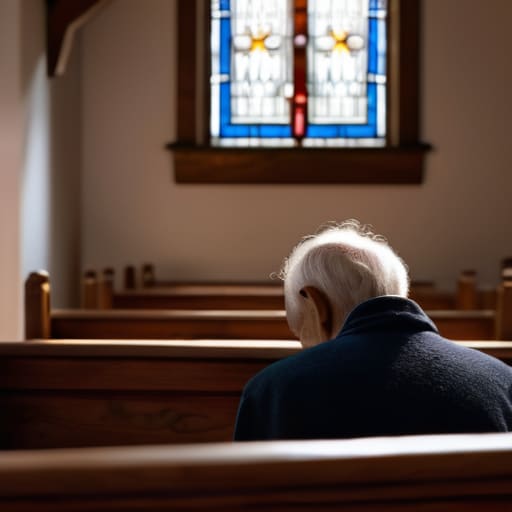
I remember a particular evening in the hospital chapel, years ago, sitting with a man who had lost his faith entirely but couldn’t bear to be alone. He didn’t need a lecture on theology; he needed a chair and a quiet presence. It strikes me that we often fail people by demanding they sign a creed before we offer them a seat at the table. True fostering of social connection doesn’t require a shared manifesto. In fact, when we insist on intellectual alignment as a prerequisite for fellowship, we inadvertently build walls rather than bridges.
If we want to move toward something more substantial, we have to prioritize emotional safety and trust above all else. This means creating spaces where a person can be skeptical, or even silent, without feeling the weight of judgment. I’ve found that the most resilient groups aren’t those that agree on everything, but those that have mastered the art of sitting with disagreement. It is a slow, often messy process of inclusive culture building, but it is far more durable than any forced consensus.
Where Inclusive Culture Building Meets the Fragility of Newcomers
There is a particular kind of exhaustion that comes with trying to be everything to everyone. In my years in the chaplaincy, I saw many well-meaning groups attempt inclusive culture building by opening their doors wide, only to realize they hadn’t actually prepared a place for anyone to sit down. We often mistake an open door for an open heart. You can invite a stranger into a room, but if the atmosphere is thick with unspoken expectations or the subtle pressure to perform a certain kind of “correctness,” that person isn’t truly welcome; they are merely being observed.
This is where the fragile reality of the newcomer meets the heavy machinery of our institutions. We talk a great deal about psychological safety in communities, yet we often fail to realize that safety isn’t something we grant through a mission statement. It is something that is built, slowly and often clumsily, through the quiet accumulation of small, predictable kindnesses. When we demand that a newcomer understand our history or adopt our vocabulary before they have even found the coffee urn, we aren’t building a community; we are building a club.
The Threshold of Trust
“We often demand a person’s convictions as an entrance fee, forgetting that no one truly knows what they believe until they are standing in a room where they are actually safe enough to be wrong.”
Alasdair Renwick-Hale
The Slow Work of Staying
In my years in the hospital wards, I learned that people don’t need a lecture on theology when they are grieving; they need a chair, a quiet presence, and the assurance that they aren’t being judged for their doubt. We have spent far too much time trying to engineer “perfect” communities that demand a certain level of intellectual or spiritual conformity before they allow someone to sit at the table. But as we have seen, true connection cannot be coerced through shared dogma. It requires us to build spaces where the fragility of the newcomer is protected, and where the burden of immediate agreement is lifted so that something more substantial—actual, lived relationship—can take root in the soil.
Ultimately, belonging is not a destination we reach once we have finally agreed on all the right things. It is the quiet, unglamorous work of showing up when the conversation gets difficult and staying when the answers run dry. We must resist the urge to rush people toward certainty, for certainty is often the enemy of intimacy. Instead, let us focus on being a people who are capable of holding one another in the tension of the unknown. If we get that right, we may find that the belief follows the belonging, not because we forced it, but because we finally created a place worth believing in.