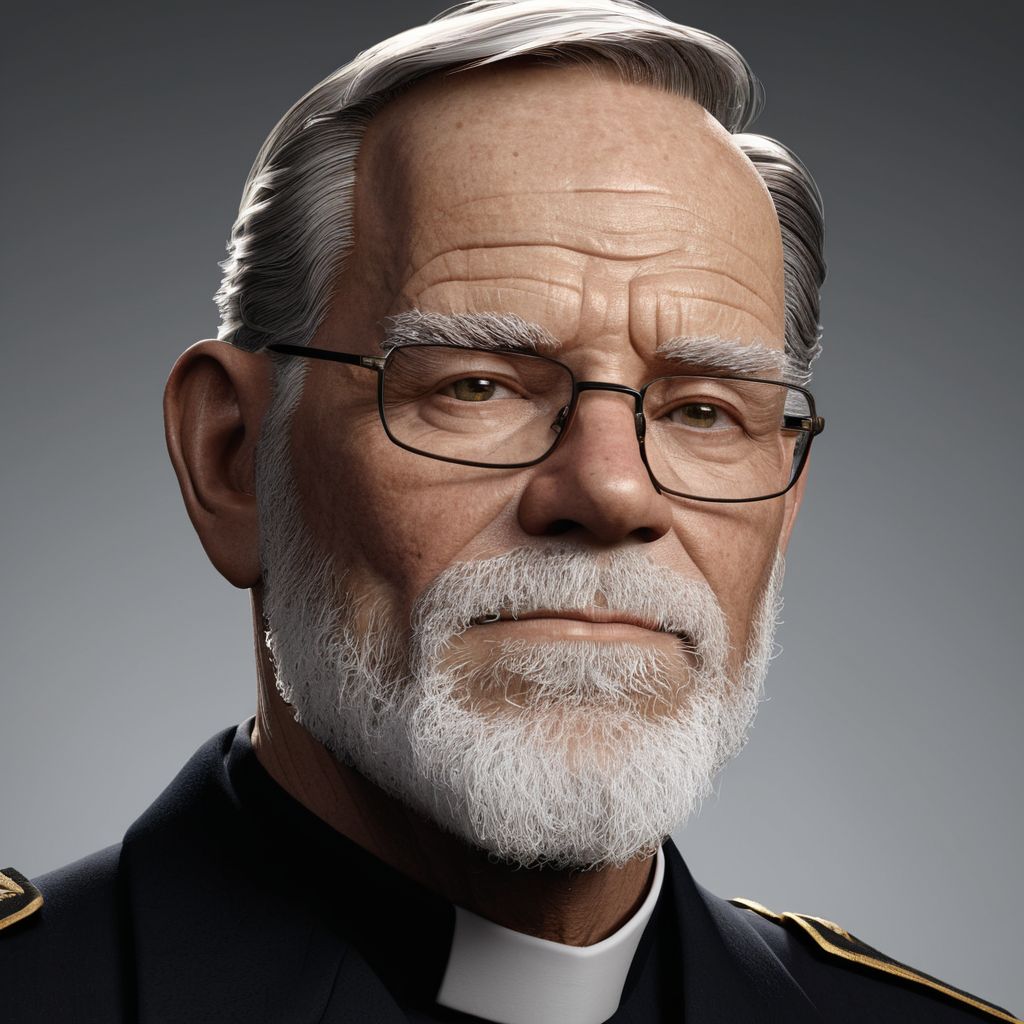
I remember sitting in a room that smelled faintly of antiseptic and stale lilies, watching a family try to navigate the heavy silence of a dying man’s bedside. They weren’t looking for a brochure or a list of legal checkboxes; they were drowning in the weight of the end of life questions that no amount of medical jargon could satisfy. There is a particular kind of polished, professional cruelty in the way we try to sanitize these moments with “protocols” and “contingency plans,” as if a well-organized folder could somehow shield us from the sheer, unvarnished vulnerability of being human.
I am not here to offer you a tidy roadmap or a set of comforting slogans that fall apart the moment the breathing changes. Instead, I want to share the messy, unscripted truths I gathered during thirty years in hospital wards—the things people actually say when the pretenses are stripped away. I will walk with you through the questions that people usually avoid, offering only the accumulated judgement of those who have stood in that same quiet room and found that the answers are rarely found in a textbook.
Navigating the Fragile Nuance of Palliative Care Options

When I sat by hospital bedsides in my younger years, I noticed that the conversation often stalled at the word “treatment.” We tend to treat medicine like a binary—either we are fighting, or we are giving up. But the reality of palliative care options is rarely that stark; it is more like a slow, shifting tide. It isn’t about abandoning the person, but about changing the goal from survival at any cost to a kind of quiet, dignified presence. There is a profound, often overlooked dignity in deciding when the battle has transitioned into a different sort of stewardship.
The difficulty lies in the language we use with our families. It is easy to hide behind technicalities, but I found that the most meaningful moments came when we moved past the clinical jargon and addressed the ethical considerations in dying. It isn’t just about what the machines can do, but about what the person actually values when the noise of the world begins to fade. We often wait for a crisis to ask these things, but the truth is that these decisions are best made when the light is still bright and the mind is still clear.
The Heavy Weight of Ethical Considerations in Dying
I remember sitting in a small, sun-drenched room in the oncology ward, listening to a daughter try to reconcile her father’s fierce independence with the reality of his failing lungs. She wasn’t asking about medicine; she was wrestling with the moral architecture of his autonomy. This is where the conversation shifts from the clinical to the profound. When we discuss ethical considerations in dying, we aren’t just checking boxes on a form; we are attempting to weigh the sanctity of life against the dignity of its conclusion. It is a heavy, often messy business that no pamphlet can truly prepare you for.
It is easy to treat advance directive planning as a mere administrative hurdle, something to be filed away in a manila folder. But in my experience, these documents are actually attempts to translate a person’s soul into a language doctors can understand. I have seen how much weight rests on those few pages when a loved one can no longer speak for themselves. We often fear making the “wrong” choice, but I have learned that there is rarely a single correct path—only the difficult, necessary work of honoring the person who once stood before us.
The Silence Between the Questions
We tend to treat the end of life like a technical problem to be solved with enough paperwork and careful planning, but after thirty years in hospital wards, I’ve learned that the most vital questions aren’t found in a medical brochure; they are the ones that emerge only when the slogans fail and we are left sitting in the quiet, wondering who we are when we are no longer capable of doing.
Alasdair Renwick-Hale
The Silence That Remains
We have wandered through the thickets of medical protocols, the heavy shadows of ethical dilemmas, and the quiet, often frightening specifics of palliative care. I have tried to lay these things out not as a roadmap to certainty—because such a thing doesn’t exist—but as a way to name the things we usually only whisper about. There is no perfect way to navigate these waters; there is only the slow, deliberate work of being present. We must acknowledge that while the technicalities of care are vital, they are merely the scaffolding. The actual structure of a “good death” is built from the messy, unscripted conversations that happen when the clinical jargon finally falls away and we are left with nothing but the truth of our shared vulnerability.
In the end, I suspect we ask these questions not because we want answers that satisfy the intellect, but because we are searching for a way to remain human in the face of the inevitable. I have found that when the certainties of life dissolve, what remains is not the polished slogan or the clinical checklist, but the quiet dignity of being seen. Do not be afraid of the silence that follows a difficult question. It is in that stillness, rather than in a quick resolution, that we truly begin to understand the profound weight and the strange, flickering beauty of having lived at all.