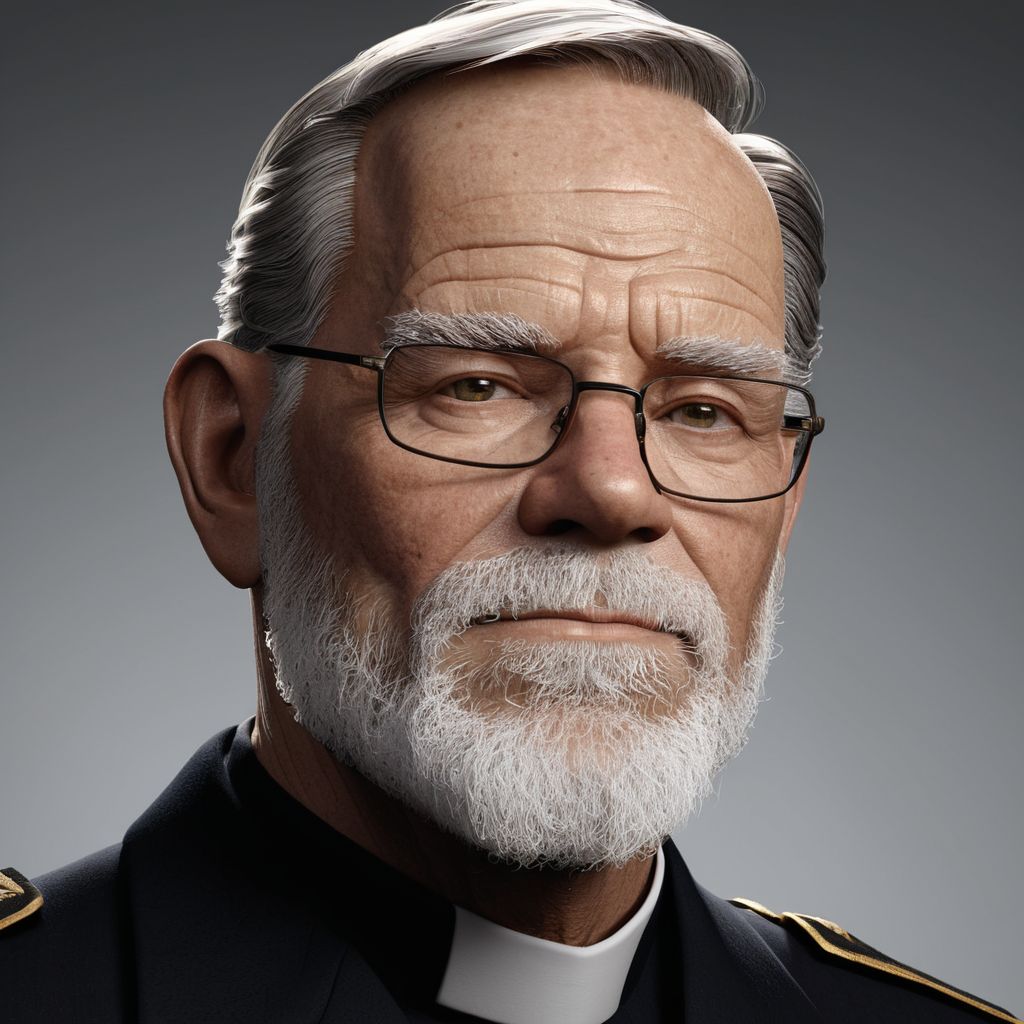
I remember sitting in a dimly lit hospice room in the late nineties, the air thick with the sterile scent of antiseptic and the rhythmic, heavy wheeze of a ventilator. A young man sat by the bed, his knuckles white as he gripped the railing, asking me for a definitive, theological roadmap on how to navigate the grief and the guilt of the coming days. He didn’t need a lecture on utilitarianism or a list of divine commandments; he needed to know how to think about a moral question when the world felt like it was tilting off its axis. It was in those quiet, agonizing hours that I realized most of our modern “ethics” are nothing more than polished armor designed to protect us from the actual weight of being human.
I am not going to offer you a tidy system of logic or a set of foolproof rules to follow when things get difficult. Instead, I want to share what I’ve gathered from thirty years of sitting in the wreckage of impossible choices. I will tell you about the times I tried to be certain and where my own convictions stubbornly refused to provide the answers I wanted. My aim is to walk with you through the fog, not to pretend I have a flashlight that can pierce it.
The Limits of Utilitarianism vs Deontology in Practice

In my years at the bedside, I found that the neat distinctions taught in university lecture halls tend to dissolve when the air gets heavy. We are often presented with the classic tension of utilitarianism vs deontology as if it were a math problem. On one hand, you have the urge to calculate the greatest good for the greatest number—the cold, efficient logic of outcomes. On the other, there is the deontological pull toward duty, the insistence that certain lines simply must not be crossed, regardless of the consequences.
But people do not live in the abstract. I remember a family torn apart by a decision that was technically “right” by every rule of duty, yet felt utterly hollow in its wake. When you are actually standing in the wreckage of a choice, these moral reasoning frameworks can feel less like compasses and more like heavy weights. I have learned that while these theories provide a necessary scaffolding, they often fail to account for the unbearable weight of the individual soul caught in the middle. We reach for these principles to steady ourselves, but eventually, we find they cannot bridge the gap between what is logical and what is truly compassionate.
Where Moral Philosophy Principles Often Leave Us Empty
I remember sitting in a small, sterile room with a man who had spent his life teaching logic, only to watch him crumble when faced with a choice that no textbook could resolve. We often treat moral philosophy principles like they are sturdy pieces of furniture—things we can lean on when the room starts to shake. But in the quiet, heavy moments of a hospital ward, those principles often feel more like paper shields. You can recite the nuances of utilitarianism vs deontology until your voice cracks, yet the math of “the greatest good” rarely accounts for the specific, agonizing weight of a single human tear.
The problem is that our academic moral reasoning frameworks are designed for the classroom, where variables are controlled and the stakes are purely intellectual. They lack the capacity to hold the tension of irreconcilable loyalties. When you are actually standing in the gap between two wrongs, you realize that a well-constructed argument doesn’t actually make the decision any less painful; it just gives you a more sophisticated way to describe your own inadequacy.
The Weight of the Silence
We often approach a moral crisis as if it were a math problem to be solved, searching for the right equation of duty or consequence, but a question of conscience isn’t something you solve; it is something you inhabit. Real morality begins only when the clever theories run dry and you are left standing alone in the quiet, realizing that no principle can actually shield you from the cost of being human.
Alasdair Renwick-Hale
The Weight of the Unanswered
We have spent this time looking at the cracks in our most cherished intellectual scaffolds. We have seen how the cold math of utility fails to account for the sanctity of a single life, and how the rigid adherence to duty can sometimes feel like a hollow substitute for actual compassion. If there is a takeaway here, it is not a new formula to follow, but rather a recognition that the tension itself is the point. We cannot simply think our way out of the discomfort that comes when two right values collide. To attempt to resolve every moral knot with a tidy syllogism is to miss the inherent gravity of being human.
In my years in the hospital wards, I found that people rarely needed a philosopher to explain their suffering; they needed someone willing to sit in the silence of it with them. As you move forward with your own questions, do not be discouraged when the logic runs dry or the principles feel insufficient. Instead, lean into that uncertainty. It is in that very space—the gap between what we know and what we feel—where our true character is forged. May you find the courage to live not with easy certainty, but with a steadfast, quiet integrity that honors the complexity of the world.