
I remember sitting in a dim hospital room in 1994, listening to a man describe the slow, methodical dismantling of his dignity. He wasn’t interested in the sociological data or the grand historical narratives we often use to sanitize the concept of persecution and its effects; he was interested in the hollowed-out feeling in his chest that wouldn’t go away. We tend to treat these things like academic puzzles to be solved with tidy definitions, but when you are the one being squeezed, the terminology feels incredibly thin.
I have no interest in offering you a polished manual for “resilience” or a list of uplifting slogans that ignore the wreckage left behind. What I intend to do instead is share what I have gathered from decades of sitting in the quiet, difficult spaces where the healing hasn’t yet begun. I want to look at the uncomfortable truths of how cruelty reshapes a person’s world, offering you an honest account of the damage that statistics simply cannot reach.
The Psychological Impact of Social Oppression and Lost Safety
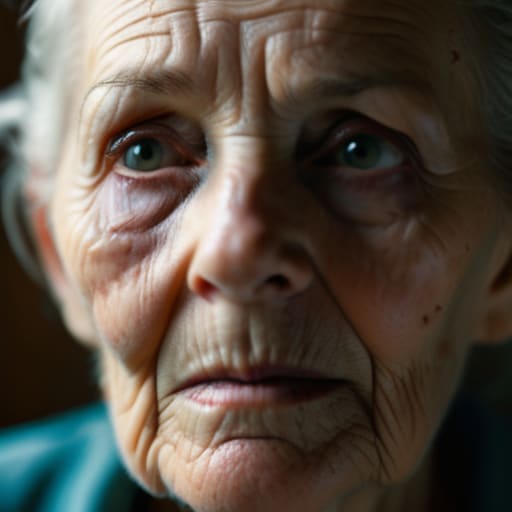
In my years in the hospital, I spent a great deal of time sitting in the quiet rooms of those who had been broken by more than just physical ailment. I saw how the weight of being “othered” settles into the very marrow of a person. It isn’t just a momentary fear; it is a constant, low-frequency hum of anxiety that never quite stops. When a community is systematically pushed to the margins, the psychological impact of social oppression manifests as a profound erosion of the self. You begin to view your own existence through the eyes of those who wish you ill, and that is a heavy, exhausting way to live.
There is a particular kind of exhaustion that comes from having to perform “safety” every single day. I have sat with people who had spent decades navigating the long-term effects of social exclusion, and they didn’t talk about grand political theories. They talked about the inability to sleep, the hyper-vigilance at a crowded table, and the sudden, sharp ache of realizing they no longer felt they belonged to the world around them. It is a quiet, internal fracturing that no slogan of “resilience” can ever truly mend.
Human Rights Violations and the Trauma That Lingers
I remember sitting in a small, dimly lit room with a man who had lost not just his home, but the very sense that the world was a predictable place. When we speak of human rights violations and trauma, we often drift into the sterile language of legalities and statistics, as if we are discussing a broken ledger rather than a broken soul. But the truth is far more jagged. It is the way a person flinches at a sudden knock on the door, or the way they stop looking people in the eye, not because they are shy, but because they have learned that visibility is a liability.
These aren’t just isolated incidents of cruelty; they are the heavy, lingering echoes of historical patterns of religious persecution that repeat themselves with a devastating familiarity. When a system decides a certain group is “other,” the damage isn’t merely physical. It settles into the marrow. I have seen how the long-term effects of social exclusion act like a slow-moving frost, numbing a person’s ability to trust even the most well-intentioned kindness. You cannot simply legislate away the shadow that a state’s cruelty leaves behind in a person’s spirit.
The Ghost in the Room
We often speak of persecution as a series of events—a law passed, a door kicked in, a crowd shouting—but after thirty years of sitting in the quiet aftermath, I’ve learned it is actually a slow, steady erosion of the self. It isn’t just what is taken from you; it is the terrifying, lingering suspicion that the world was never meant to be a safe place to stand.
Alasdair Renwick-Hale
The Long Shadow and the Small Light
When we look back over what we have discussed—the fracturing of the psyche, the systematic stripping of dignity, and the way trauma embeds itself into the very marrow of a community—it becomes clear that persecution is never a singular event. It is a slow erosion. We often talk about justice as if it were a legal checkbox to be ticked, but my years in the hospital taught me that the law rarely reaches the quiet, hollow places where the damage actually resides. We cannot simply legislate away the sense of un-safety that remains long after the persecutors have retreated. To truly understand the cost, we must acknowledge that the scars are not just historical footnotes; they are living, breathing realities that dictate how a person breathes, sleeps, and trusts.
I do not have a grand solution to offer, nor a slogan of resilience that will make the weight any lighter. Such things often feel like insults to those still carrying the burden. However, I have found that even in the deepest darkness, there is a stubborn, quiet persistence in the human spirit that refuses to be entirely extinguished. We find it in the small, radical acts of unyielding kindness and the way communities hold one another when the structures of the world fail. Perhaps the goal is not to find a way to “get over” what has happened, but to learn how to carry the story forward with a dignity that the cruelty could never quite touch.