I remember sitting in a cramped hospital waiting room during a particularly bitter February, watching a family try to maintain some semblance of a tradition with a single, wilted grocery-store carnation. It struck me then how much we lie to ourselves about the “magic” of our celebrations. We tend to treat the study of festivals and their origins as if we are uncovering some pristine, golden age of communal joy, but that’s a polished myth. In reality, most of these rites didn’t begin as grand expressions of spirit; they began as stubborn, practical responses to the fear of being alone in the dark or the terror of a failed harvest.
I have no interest in giving you a sanitized timeline of liturgical calendars or a list of colorful folklore. Instead, I want to look at the grit beneath the glitter. I promise to offer an honest account of why we cling to these patterns, even when they feel hollow, and where the historical record actually meets the human heart. We won’t be looking for perfection here, but for the truth of why we keep showing up, year after year, to light a candle against the inevitable coming of the night.
Ancient Ritual Traditions and the Need to Belong
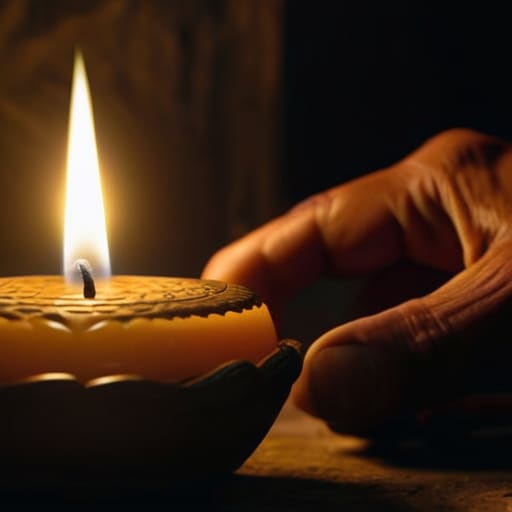
I spent many years in hospital wards where the clock seemed to stop, and I noticed how often people reached for the familiar—a specific prayer, a certain way of lighting a candle, or even just the mention of a coming holiday. It wasn’t about the theology for most; it was about the tether. When we look at ancient ritual traditions, we aren’t just looking at dusty reenactments of long-dead myths. We are looking at the first, clumsy attempts of human beings to say, “I am not alone in this darkness.”
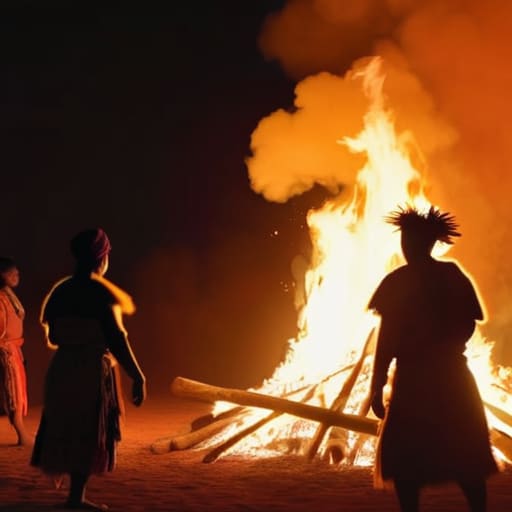
There is a certain weight to the evolution of seasonal festivities that we often overlook in our rush toward modern convenience. We’ve traded the communal bonfire for a digital greeting, yet the underlying ache remains the same. Whether it was a harvest rite meant to appease a temperamental sky or a midwinter vigil to stave off the frost, these practices served a singular, vital purpose: they provided a shared rhythm. We didn’t just celebrate to have fun; we celebrated because we needed to know that the person standing next to us was facing the same uncertain horizon.
Mythology and Folklore Origins Where Stories Become Law
I have always found that when we peel back the layers of our modern holidays, we don’t just find dates on a calendar; we find the ghosts of stories that once governed how people understood their very existence. The mythology and folklore origins of these moments were never meant to be mere entertainment. For the ancients, a story about a sun god or a harvest spirit wasn’t a bedtime tale—it was a way of mapping the chaos of the world. These narratives provided a framework, a sense of order that turned a terrifying, unpredictable season into something that could be named and, perhaps, managed.
There is a certain weight to how these tales shaped the evolution of seasonal festivities. We see it in the way certain characters or motifs persist, even after the original belief in them has withered. It isn’t just about the spectacle; it is about the deep-seated human need to see our struggles mirrored in the divine. When a community gathers to reenact a myth, they aren’t just performing; they are attempting to tether themselves to something larger than their own brief lives, turning the ephemeral passage of time into something that feels, if only for a night, permanent.
The Weight of the Calendar
We often treat these old celebrations as mere relics of a simpler time, but I suspect they were actually the scaffolding we built to keep ourselves from collapsing during the long, dark stretches of human existence.
Alasdair Renwick-Hale
The Fragile Thread
When we look back at these traditions—from the ancient rites of belonging to the heavy weight of mythological law—it becomes clear that festivals were never merely about decoration or distraction. They were, and perhaps still are, our way of stitching ourselves into the fabric of something larger. We see a recurring pattern: a desperate, beautiful attempt to impose order upon the chaos of a changing season or a shifting world. We have traced the lineage of these celebrations and found that they are less about the spectacle itself and more about the shared recognition of our own limitations in the face of time and nature.
I often think, as I sit with my books and my binding tools, that we shouldn’t be so quick to modernize these moments until they are sterile and predictable. There is a certain holiness in the messy, unpolished parts of ritual—the parts that remind us we are part of a long, often difficult, human lineage. Perhaps the true purpose of a festival isn’t to provide us with easy answers or a sense of polished perfection, but to offer a quiet space to stand together while we wait for the dawn. We don’t need more slogans; we simply need to keep showing up for one another, year after year, through the dark and the light alike.