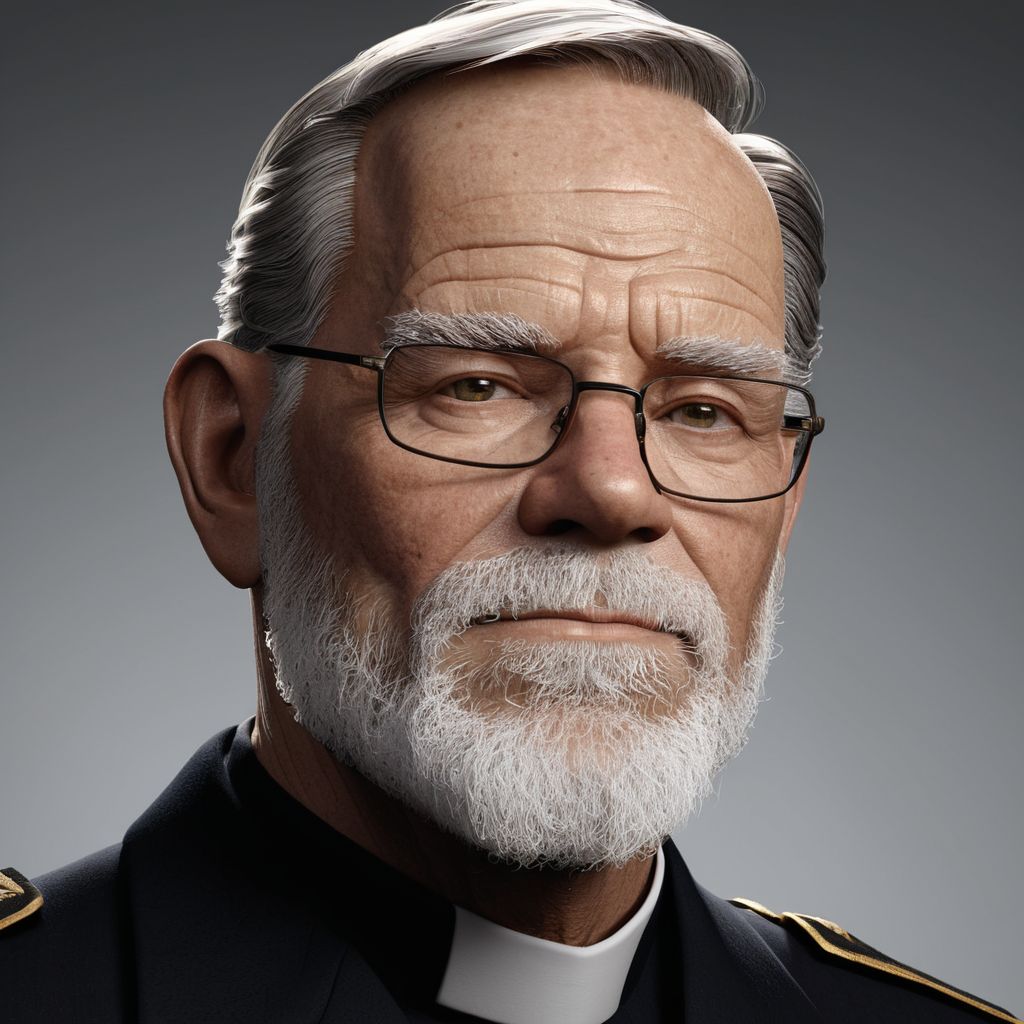
I remember sitting in a dim hospital corridor at three in the morning, the smell of antiseptic clinging to my sweater, listening to a young man explain why he felt he had to obey a directive that was clearly tearing his conscience apart. He wasn’t looking for a lecture on organizational structure; he was looking for a way to live with himself. We often talk about authority and when to question it as if it were a matter of policy or a boardroom debate, but in the quiet, heavy moments of real life, it is a matter of soul. It is rarely about a grand rebellion; it is usually about that slow, cold realization that the person in charge has lost their way.
I have no interest in giving you a checklist of symptoms or a set of polished slogans to recite when things go wrong. Instead, I want to offer you something more weathered: the messy, unvarnished truth of what happens when we choose to stand our ground. I intend to share what I have learned from decades of watching people navigate the friction between duty and conscience, providing an honest account of where decisive action meets its limits.
Identifying Abuse of Power Beneath Polished Slogans

In my years at the bedside, I noticed that the most damaging forms of control rarely arrive with a snarl; they arrive with a smile and a perfectly curated mission statement. There is a particular kind of danger in a leader who uses high-minded language to shield themselves from scrutiny. When a person or an organization begins to wrap their directives in the language of “the greater good” or “unquestionable tradition,” they are often attempting to bypass your faculty of reason. I have learned that identifying abuse of power often begins with noticing when a slogan is being used to shut down a conversation rather than to invite one.
It is a subtle thing, the shift from guidance to coercion. You will feel it as a tightening in your chest when a request for transparency is met with a lecture on loyalty. This is where the tension between blind obedience vs healthy skepticism becomes a matter of character. If a structure demands that you surrender your conscience in exchange for belonging, it is no longer a community; it is a mechanism of control. True strength doesn’t require you to stop thinking; it requires you to think more deeply.
The Cost of Blind Obedience vs Healthy Skepticism
I remember a young man in the hospice ward, perhaps in his twenties, who spent his final weeks apologizing for asking too many questions about his treatment. He had been raised in a culture where deference was a virtue, and he felt that his curiosity was a form of disrespect. It struck me then how dangerous it is when we mistake silence for respect. When we lean into blind obedience vs healthy skepticism, we aren’t just being “good citizens” or “loyal followers”; we are effectively handing over the keys to our own conscience. The cost isn’t just a loss of autonomy; it is the slow erosion of our ability to recognize when something is fundamentally wrong.
True stability doesn’t come from a lack of friction, but from the presence of meaningful tension. I have found that the most resilient communities are not those where everyone nods in unison, but those that understand the role of dissent in society as a vital safety mechanism. When we stop questioning, we stop growing, and more importantly, we stop holding the structures above us to the standards they claim to uphold. It is a heavy burden to be the one who asks “why,” but it is much heavier to live with the knowledge that you saw a crack forming and chose to look away.
The Weight of the Word
True authority doesn’t demand your silence to prove its strength; it offers its reasoning so that your consent might be honest. When a leader begins to value the preservation of their position more than the pursuit of what is right, that is the moment the mandate has expired.
Alasdair Renwick-Hale
The Quiet Weight of Discernment
Looking back over these pages, I find myself returning to the same difficult truth I encountered so often in hospital corridors: authority is never a substitute for human decency. We have discussed how polished slogans often mask a hollow core, and how the heavy price of blind obedience is usually paid by those least equipped to defend themselves. To question is not to rebel for the sake of chaos; rather, it is to act as a necessary brake when the momentum of a system begins to outrun its moral compass. We must learn to distinguish between the legitimate structure required for order and the empty ritual of compliance that serves only to protect the person at the top.
In the end, I suspect that the most important tool we possess isn’t a grand philosophical argument, but a well-tended sense of unease. When a command feels wrong in the marrow of your bones, do not dismiss it as mere inefficiency or lack of discipline. That discomfort is often the only thing standing between a community and its own undoing. I have found that the most meaningful lives are not built on following every directive to the letter, but on the courage to pause when the path ahead looks increasingly dark. Trust your hesitation; it is often the only honest thing left in the room.