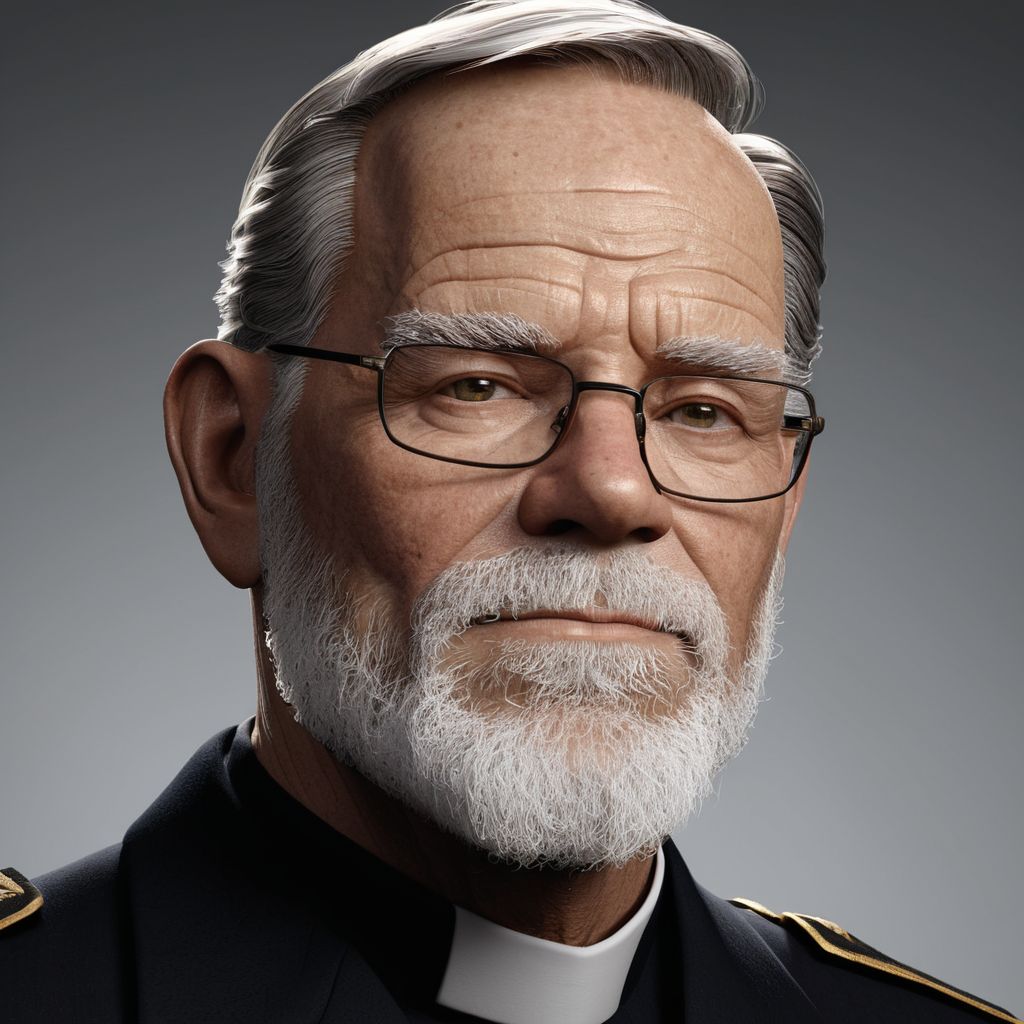
I remember sitting in a sterile hospital waiting room late one Tuesday, watching a young executive pace the linoleum, his face a mask of controlled panic. He wasn’t grieving a loss; he was mourning a collapsed deal, his voice a frantic whisper about “reputational risk” and “mitigating fallout.” It struck me then how much we have sanitized the concept of morality. We treat business practices and integrity as if they are mere line items in a compliance manual or something to be managed through polished PR statements. We’ve turned character into a calculus of convenience, as if you can simply math your way into being a decent person.
I have no interest in offering you a glossy handbook of corporate virtues or a list of slogans that sound good in a boardroom but crumble under pressure. Instead, I want to talk about the messy, unvarnished reality of trying to do right when the cost of doing so is actually painful. I will share what I have gathered from decades of watching people navigate the gap between what they say and what they do, offering an honest account of where even the best intentions often run dry.
Where Ethical Leadership in Corporate Culture Often Fails

I recall a particular evening in the hospital ward, years ago, listening to a young doctor explain why a certain protocol had been bypassed. He wasn’t a bad man; he was simply exhausted, caught in a system that valued speed over precision. We see a similar fatigue in the modern office. We talk endlessly about ethical leadership in corporate culture, decorating our lobbies with framed mission statements, but these words often lack the muscle to survive a crisis. When the quarterly numbers dip or a deadline looms, the gap between what we profess and what we actually do begins to widen.
The failure usually isn’t a sudden, dramatic descent into villainy. Instead, it is a slow erosion. It happens when moral decision making in management is treated as a luxury rather than a necessity, something to be revisited once the “real work” is done. We tell ourselves we are merely being pragmatic, but pragmatism is often just a polite mask for cowardice. True integrity isn’t found in the polished handbook; it is found in those quiet, uncomfortable moments when doing the right thing actually costs you something.
The Exhausting Reality of Maintaining Professional Standards
I remember sitting in a quiet hospital corridor, listening to a man describe the sheer weight of a decision that felt impossible. He wasn’t a CEO, but the exhaustion was the same. In the corporate world, we speak loftily about maintaining professional standards, as if they were static monuments we simply walk past every morning. But in practice, integrity is a muscle that fatigues. It is a constant, grinding effort to choose the harder right over the easier wrong, especially when the quarterly reports are leaning in the wrong direction.
The problem is that most frameworks for preventing unethical business conduct are designed for sunny days. They work beautifully when everyone is aligned and the margins are wide. But when a crisis hits, or when survival feels threatened, those polished manuals often feel like thin paper against a gale. We tend to forget that moral decision making in management isn’t a software update you can simply install; it is a messy, human struggle that requires a level of stamina most organizations simply aren’t prepared to cultivate.
The Gap Between Policy and Presence
We tend to treat integrity as if it were a set of rules one could simply memorize and follow, but I have found that true ethics only begin when the spreadsheets are closed and the easy, profitable path is staring you right in the face. It isn’t found in the handbook; it is found in the quiet, uncomfortable space between what we say we value and what we actually do when no one is looking.
Alasdair Renwick-Hale
The Long View of a Hard Road
We have spent some time looking at the friction between what we profess and what we actually do when the pressure mounts. It is easy to draft a code of conduct in a quiet room, but as I have learned through years of watching people navigate crisis, integrity is not a static document. It is a series of difficult, often lonely, choices made in the heat of the moment. We have seen that corporate culture often falters not because of a lack of intelligence, but because of a lack of sustained courage when the cost of doing the right thing becomes inconvenient.
In the end, I suspect that we must stop looking for a perfect system that will automate our goodness. There is no manual that can shield a person from the weight of a compromise, nor a policy that can replace a well-formed conscience. Instead, I find hope in the small, quiet persistence of those who refuse to let the easy path become the only path. It is a heavy, unfashionable way to live, but it is the only way to build something that actually lasts. We may never reach a state of perfect ethics, but the striving itself is where our humanity resides.