I remember sitting in a drafty hospital corridor late one Tuesday, listening to a young man try to “facilitate” a conversation with a grieving widow using a laminated sheet of discussion questions. He was following a manual to the letter, his voice steady and rehearsed, yet the air between them felt utterly hollow. It struck me then that we often mistake the mechanics of management for the art of presence, and in our rush toward efficiency, we completely miss the point of leading a small group well. We have become obsessed with curriculum, structure, and the perfect icebreaker, as if a well-timed joke could somehow bridge the gap between two souls in need of connection.
I am not here to sell you a polished system or a set of clever tricks to manufacture intimacy. Instead, I want to talk about the messy, unscripted reality of what happens when you stop trying to control the room and start learning how to inhabit it. I will share what I have gathered from decades of sitting in the quiet, difficult spaces where the manuals fail, offering instead a way to lead that prioritizes honest presence over perfect performance.
Beyond Slogans Mastering Effective Group Facilitation Techniques

I’ve spent many evenings in hospital wards where the air was thick with unspoken tension, and I learned quickly that you cannot “manage” a room into being honest. People often reach for a checklist of effective group facilitation techniques as if they were tools to fix a broken engine, but humans aren’t machines. When a discussion stalls or a silence becomes heavy, the temptation is to throw out a clever question to jumpstart the momentum. I’ve found that the most profound moments often happen not when we are pushing the conversation forward, but when we are brave enough to simply sit within the quiet.
True leadership in these settings is less about being the smartest person at the table and more about active listening for leaders. It is the art of hearing what isn’t being said—the hesitation in a voice or the way someone avoids eye contact. If you are constantly scanning the room for the next “point” to make, you will miss the subtle shifts in the room’s spirit. Sometimes, the most vital part of my role wasn’t directing the flow, but ensuring that the space itself felt safe enough for the truth to emerge, unhurried and unforced.
Where Active Listening for Leaders Meets Real Human Friction
In my years at the bedside, I learned that people rarely need a solution; they need to be witnessed. We often mistake active listening for leaders as a technical skill—a series of nods and paraphrasing—but in the messy reality of a small group, it is something much more taxing. It requires you to sit with the silence that follows a difficult comment, rather than rushing to fill it with a clever prompt. When you try to force a sense of harmony too early, you aren’t actually building anything; you are merely masking the cracks.
The friction arises when the polite veneer slips. You might find yourself managing group dynamics that feel suddenly heavy or even hostile, and the instinct is to retreat into a manual. But real community isn’t found in the absence of tension; it is found in how we inhabit it. I have seen groups flourish not because they avoided disagreement, but because the leader had the courage to let the discomfort breathe, proving that the group was safe enough to be honest.
The Quiet Weight of Presence
We often mistake leadership for the ability to steer a conversation toward a tidy conclusion, but after years of sitting in rooms where the air felt heavy with unspoken grief or disagreement, I’ve learned that true leadership is often found in the courage to let the silence linger, rather than rushing to fill it with a hollow certainty that no one actually believes.
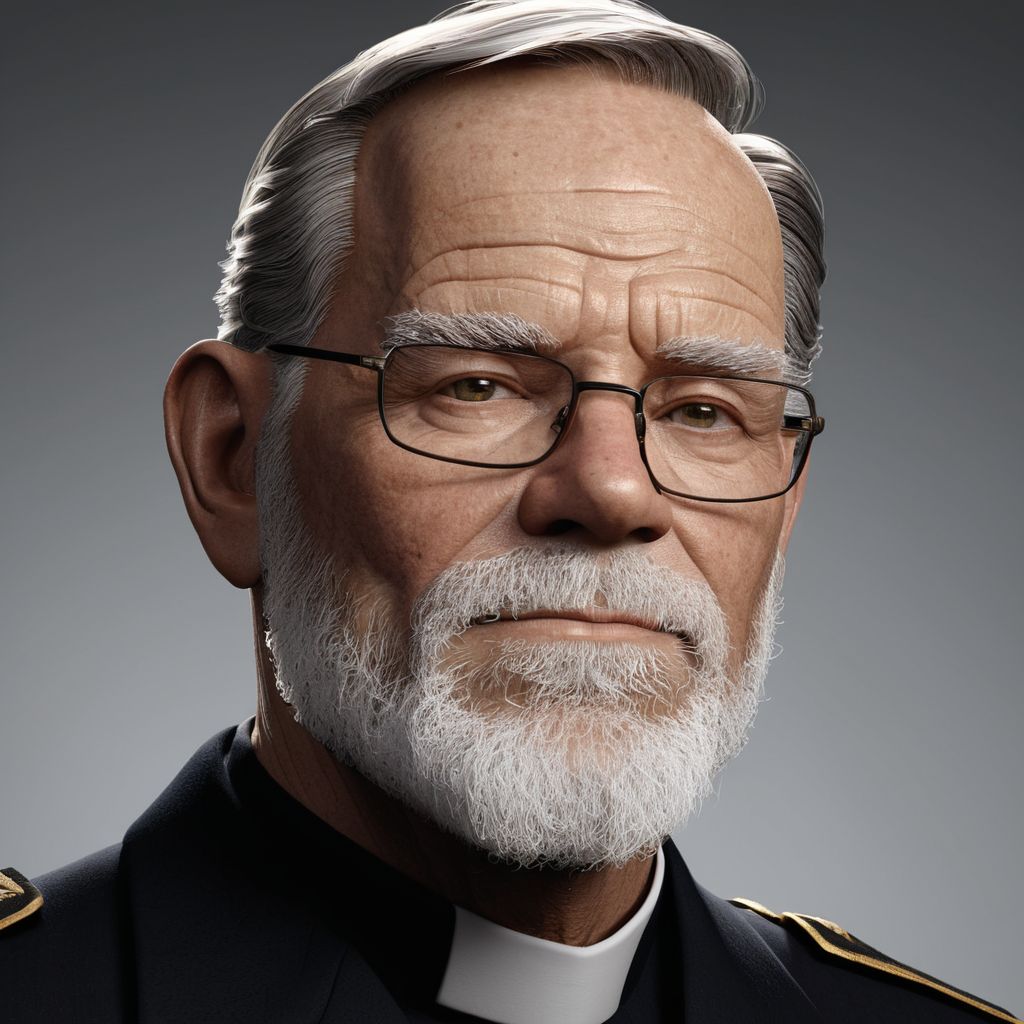
Alasdair Renwick-Hale
The Quiet Work of Staying Present
We have spent some time looking at the mechanics of leadership—the facilitation techniques, the necessity of listening, and the inevitable friction that occurs when real people occupy the same room. But if I have learned anything from thirty years in hospital wards, it is that no manual can account for the sheer unpredictability of the human heart. You can master every technique in the book, yet still find yourself standing in a silence that feels heavy or a tension that feels insurmountable. The truth is, leadership in a small group isn’t about perfectly executing a curriculum; it is about the willingness to inhabit the messy, unscripted spaces where the most important work actually happens.
In the end, I suspect the most effective leaders are not those with the most polished answers, but those who are most comfortable with the questions. Do not be discouraged when the group feels fractured or when your carefully planned agenda falls apart. Often, it is in those moments of unplanned vulnerability that a genuine community begins to take root. Hold fast to the patience required to let people be seen, and remember that your primary task is not to manage a process, but to simply refuse to look away when things get difficult.