
I remember sitting in the back of a drafty parish hall years ago, watching a young organizer hand out a stack of flyers that felt more like wet tissue paper than actual information. They had been promised a miracle by a glossy website, but what they held was a testament to the hollow promise of printing and cheap literature. There is a particular kind of heartbreak in seeing a vital message—something meant to comfort or call people to action—rendered utterly disposable by the very medium meant to carry it. When the ink smears under a thumb or the paper folds like a discarded napkin, the words themselves begin to lose their weight.
I have no interest in selling you on the latest high-speed digital shortcuts or the deceptive allure of “bulk savings” that leave you with nothing but landfill. Instead, I want to share what I have learned from years of handling real books and seeing where the budget actually meets the reality of the page. I will offer you an honest account of how to navigate the messy middle ground, ensuring that your message retains its dignity without draining your coffers.
The Hidden Cost of Mass Production Literature
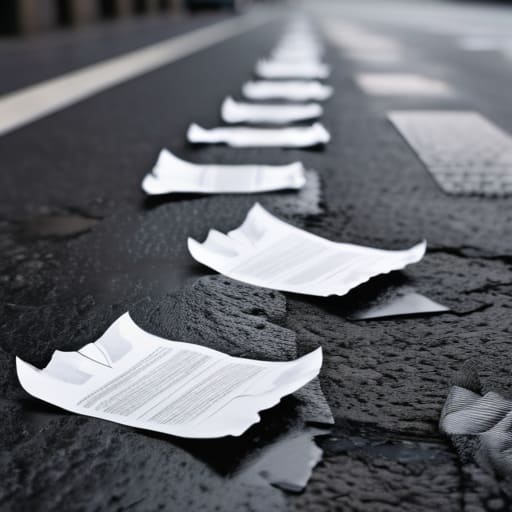
There is a particular kind of heartbreak in seeing a beautifully composed message rendered illegible by a printer that was chosen solely for its price point. I remember a small community group once attempting to spread their message through mass production literature, commissioning thousands of leaflets that arrived looking like they had been pulled from a gutter. The ink was smudged, the paper felt more like tissue than parchment, and the entire effort felt, quite frankly, insincere. When we strip away the tactile dignity of a printed word, we often strip away the authority of the message itself.
The temptation to lean heavily on bulk printing services is understandable, especially when the coffers are running low. We tell ourselves that volume compensates for a lack of substance. But there is a subtle, corrosive cost to this approach. When a person holds a flyer that feels flimsy or cheap, they subconsciously categorize the information as disposable. It is a difficult truth to swallow, but if the medium suggests that the message is worth nothing, no amount of clever distribution will make the reader linger.
Why Bulk Printing Services Often Fail the Test
I recall a particular parish council meeting years ago, where the excitement over a new, massive order of bulletins was quickly dampened by the reality of what arrived in the mailroom. They had opted for the most aggressive bulk printing services they could find, lured by the siren song of a low unit price. What arrived was a stack of paper so thin it felt more like tissue than a vessel for communal news. It was a classic case of chasing a number on a spreadsheet while forgetting that a piece of paper is meant to be held, felt, and perhaps even kept.
When we lean too heavily into mass production literature, we often inadvertently signal that our message is disposable. There is a peculiar kind of heartbreak in seeing a thoughtfully composed message rendered illegible by ink that smudges at the slightest touch of a thumb. If the medium feels cheap, the reader’s subconscious often follows suit, deciding that the ideas contained within are equally transient. We must ask ourselves if we are truly communicating, or if we are merely adding to the ever-growing mountain of paper waste that defines our modern age.
The Weight of the Word
“We often forget that a person’s hands tell them as much as their eyes ever will; when we hand someone a flyer that feels like nothing more than a scrap of disposable waste, we are subtly telling them that the truth contained within it is equally fleeting.”
Alasdair Renwick-Hale
The Weight of the Word
When we strip away the glossy promises of high-speed presses and bottom-dollar rates, we are left with the simple reality that a message is only as strong as the medium that carries it. I have seen too many vital truths discarded because they were printed on paper so thin it felt like a fleeting afterthought, or ink so faint it surrendered to the light within a week. To choose the cheapest option is rarely a matter of being prudent; more often, it is a failure to respect the gravity of what is being said. If we treat our literature as disposable, we inadvertently tell our readers that our ideas are equally disposable.
Perhaps the lesson here is not about finding the perfect vendor, but about reclaiming a sense of stewardship over our communication. In my years in the chaplaincy, I learned that the most enduring comforts were rarely the most expensive, but they were always the most intentional. Whether you are printing a single pamphlet or a thousand tracts, I urge you to consider the hands that will hold them and the eyes that will seek meaning within them. Do not let your message vanish into the clutter of the cheap and the temporary; instead, strive to create something that possesses the quiet dignity of permanence.