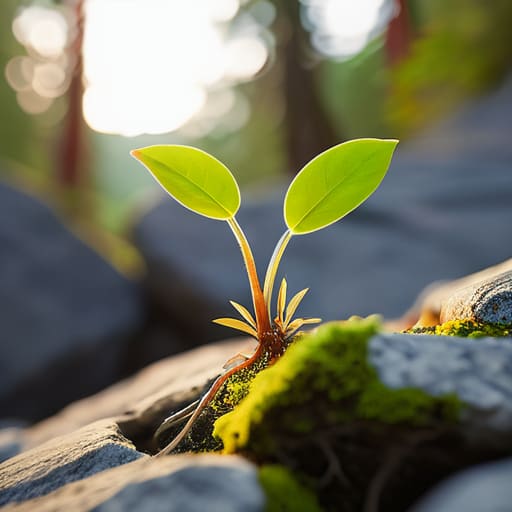
I remember sitting in a small, sterile hospital room late one Tuesday night, listening to the rhythmic, mechanical hum of a ventilator. A young man sat by the bed, white-knuckling a cup of lukewarm tea, asking me when things would finally start moving forward. He was looking for a breakthrough, a sudden surge of healing that would justify the agonizing stillness of the preceding weeks. We often treat patience in slow growth as if it were a mere waiting room—a temporary, annoying inconvenience we must endure before the “real” life begins. But after thirty years of sitting in those quiet corners, I’ve learned that the stillness isn’t a delay; it is often where the most essential work is actually happening, even when it feels like nothing is moving at all.
I’m not here to offer you any polished, motivational slogans about “trusting the process” or finding joy in the struggle. That’s easy to say when you aren’t the one feeling the stagnation in your bones. Instead, I want to share what I’ve gathered from decades of watching people navigate the long, unglamorous stretches of change. I will offer you an honest account of what it looks like to inhabit those quiet gaps, and more importantly, where our ability to endure eventually runs out.
Sustainable Progress vs Rapid Results Where the Slog Begins
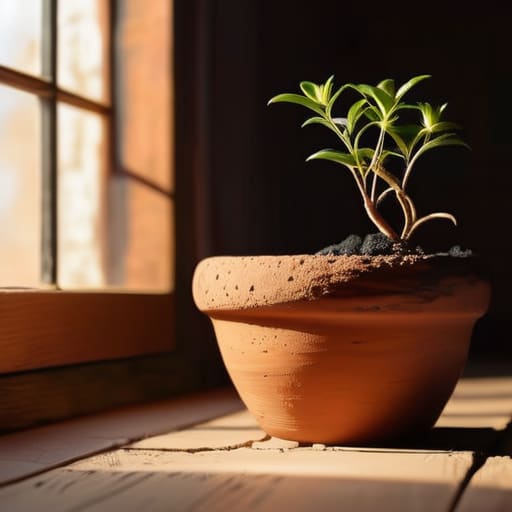
I remember a young man I sat with years ago, a surgeon in training who was convinced that if he wasn’t mastering a technique by the end of the week, he was somehow failing. He was caught in that modern trap of equating speed with competence. We often mistake the frantic energy of a sprint for the actual substance of growth, but there is a fundamental difference between sustainable progress vs rapid results. One is a flash of heat that leaves you hollow; the other is a slow, steady warming of the hearth.
The difficulty lies in the quiet, unglamorous middle—the period where you are working hard but the needle barely moves. This is where most people falter, not because they lack talent, but because they haven’t mastered managing expectations during setbacks. We want the harvest, but we despise the season of tilling soil in the rain. I’ve learned that true development isn’t found in the sudden epiphany, but in the repetitive, often boring work of showing up when there is nothing to celebrate. It is in this “slog” that our character is actually forged.
The Psychology of Delayed Gratification and Its Heavy Toll
We tend to talk about the psychology of delayed gratification as if it were a simple muscle to be flexed, a matter of mere willpower. But sitting in those quiet hospital rooms, I saw how differently that concept feels when you are actually living through the gap between effort and outcome. It isn’t just a mental exercise; it is a physical, often exhausting, weight. There is a specific kind of fatigue that sets in when you are doing everything “right”—the discipline, the routine, the steady work—and yet the landscape of your life remains stubbornly unchanged.
The real difficulty lies in managing expectations during setbacks that feel less like temporary hurdles and more like permanent fixtures. We are conditioned to believe that every seed planted should sprout almost immediately, but nature rarely adheres to our frantic schedules. When the results don’t manifest, the mind begins to turn against itself, whispering that the effort is wasted. It is in this tension, where the desire for progress clashes with the reality of the wait, that we truly learn the difference between disciplined persistence and the sheer, grinding cost of holding on.
The Quiet Weight of the Middle
We often mistake patience for a passive waiting, a sort of holding of one’s breath until the storm passes, but true patience in the slow seasons is much more taxing; it is the active, often exhausting work of tending to a garden that refuses to bloom on your schedule.
Alasdair Renwick-Hale
The Quiet After the Slog
We have spent some time looking at the friction between our desire for immediate clarity and the stubborn, slow reality of actual growth. I have seen, both in the hospital wards and in my own quiet hours at the bookbinding bench, that the psychological toll of waiting is rarely about the time itself, but about the fear that nothing is happening at all. We struggle because we have been taught to mistake stillness for stagnation. But as we have discussed, the slog is not merely a hurdle to be cleared; it is the very process through which our character is tempered and our foundations are laid. To bypass the delay is to forfeit the depth that only time can provide.
In the end, I suspect we must learn to find a certain dignity in the waiting. There is no grand, cinematic moment where the struggle suddenly dissolves into effortless success; there is only the steady, often invisible accumulation of small, faithful steps. Do not be too hard on yourself when the progress feels imperceptible. Even the most beautiful leather bindings require a long period of curing and setting before they can hold their shape. Trust that the quiet work is still working, even when you cannot see the fruit of your labor.