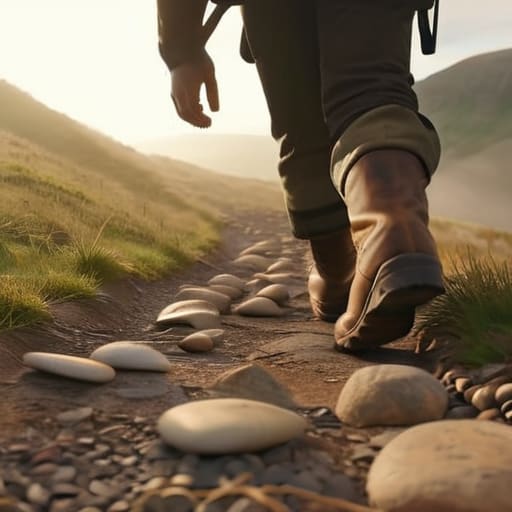
I remember sitting in a cramped hospital waiting room years ago, listening to a young man describe his plan to walk the Camino, his eyes bright with the desperate hope that a change in scenery might somehow fix a broken soul. He spoke of pilgrimage traditions as if they were spiritual vending machines—insert enough miles, perform enough rituals, and out comes a brand-new life. I didn’t have the heart to tell him then that the road doesn’t actually change who you are; it mostly just exposes who you’ve been trying to hide.
I’m not here to sell you on the romanticized version of the wanderer, nor will I offer any glossy brochures of spiritual enlightenment. What I want to do is look at these long-standing customs through a much more tired lens. We are going to examine the actual grit of these journeys—the blisters, the silence, and the moments where the ritual fails to meet the need. I promise to offer you an honest account of what these traditions can actually provide, and more importantly, where they run out.
Beyond the Slogans the Grit of Historical Pilgrimage Routes
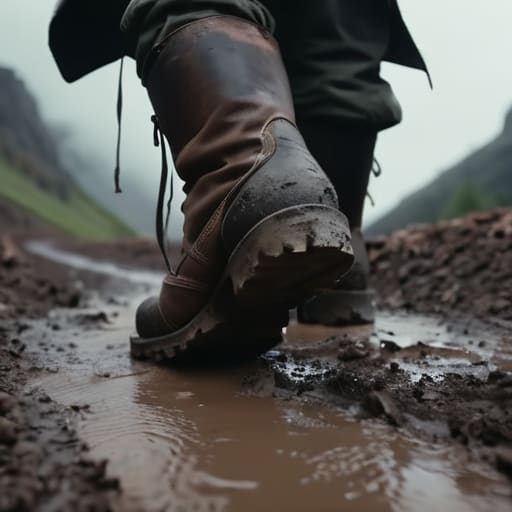
When we look at maps of the great historical pilgrimage routes, we tend to see clean, sweeping lines connecting one cathedral to another, as if the movement of faith were a tidy, aerodynamic thing. But history—and my own time spent listening to the weary—suggests something much more visceral. These paths were never just about the destination; they were defined by the blisters, the sudden mountain storms, and the pervasive sense of being utterly lost. We often romanticize the spiritual journey rituals of the past, forgetting that for the medieval traveler, the ritual was often just a way to keep moving when the body wanted to collapse.
The truth is that the cultural significance of pilgrimage lies less in the grand processions and more in the quiet, desperate moments of the road. It is found in the shared silence of a roadside inn or the way a traveler clings to a fragment of a prayer when their boots are soaked through. I have found that the most profound lessons don’t come from the polished icons at the end of the trek, but from the grit and exhaustion that strip a person of their pretenses along the way.
Where Ritual Meets Reality Sacred Site Pilgrimages
There is a particular kind of exhaustion that comes from standing in a crowded cathedral or a sun-bleached shrine, surrounded by the heavy weight of centuries of prayer. We often speak of sacred site pilgrimages as these moments of crystalline clarity, but in my experience, the reality is much messier. I remember sitting in a small chapel in the Levant, watching a woman struggle to maintain her composure amidst the humidity and the tourist chatter. She wasn’t experiencing a sudden burst of divine light; she was simply trying to hold onto something that felt real in a world that often feels hollow.
The formal religious pilgrimage customs—the specific genuflections, the lighting of candles, the rhythmic chanting—are beautiful, certainly. They provide a scaffolding for the soul. But the scaffolding isn’t the building. I have found that the true depth of these journeys often lies in the gaps between the rituals, in those quiet, unscripted moments when the ceremony ends and you are left alone with your own unanswered questions. It is in that silence, rather than the spectacle, where the actual work begins.
The Weight of the Walking
We often talk about pilgrimage as if it were a spiritual ascent, a tidy climb toward enlightenment, but after thirty years of sitting with the weary, I’ve found it is more often a slow, rhythmic stripping away—a process of walking until the slogans fail you, and you are left with nothing but the ache in your joints and the quiet, terrifying honesty of your own company.
Alasdair Renwick-Hale
The Long Walk Home
We have looked at the grand historical routes and the heavy, storied weight of the sacred sites themselves, but we must acknowledge that these traditions are rarely about the destination. Whether it is the dust of a centuries-old path or the quiet reverence of a cathedral, the ritual often serves as a mere scaffolding. The real work happens in the gaps—in the moments when the physical exertion meets the internal silence, and when the expected sanctity fails to arrive on schedule. We find that pilgrimage is less a map to a holy place and more a way of learning to sit with the discomfort of being truly, unshielded, on the road.
If you find yourself standing at the threshold of such a journey, do not go looking for a polished epiphany or a life-changing slogan. Those are the things we sell to travelers to make the trek seem worthwhile. Instead, go prepared to be disappointed, to be tired, and to be profoundly human. There is a certain, quiet grace to be found in the realization that the path does not owe us any answers. Perhaps the most sacred thing we can do is to keep walking, even when the divine remains silent, and to find meaning in the simple, stubborn act of moving forward.