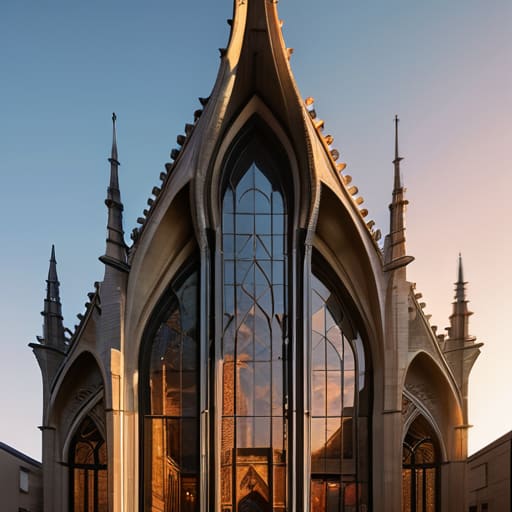
I remember sitting in a sterile, windowless waiting room during my final year as a chaplain, watching the way the harsh fluorescent light bounced off the linoleum. There was no warmth there, no sense of dignity, only a crushing, clinical indifference that seemed to whisper that the people inside were merely problems to be managed. It’s a quiet kind of violence, isn’t it? We often talk about architecture and what buildings say as if it’s a matter of aesthetics or grand, sweeping statements of power, but for most of us, it’s much more intimate. It is the way a space either holds you or pushes you away when you are at your most vulnerable.
I have no interest in discussing the lofty theories of starchitects or the expensive jargon used to sell glass towers to city councils. Instead, I want to look at the unspoken language of the spaces we actually inhabit. I intend to share what I’ve gathered from decades of watching how human beings react to the stone, wood, and steel around them. We will skip the slogans and focus on the truth: how our surroundings can either foster a sense of community or leave us feeling profoundly alone.
The Visual Language of Architecture and Its Unspoken Promises
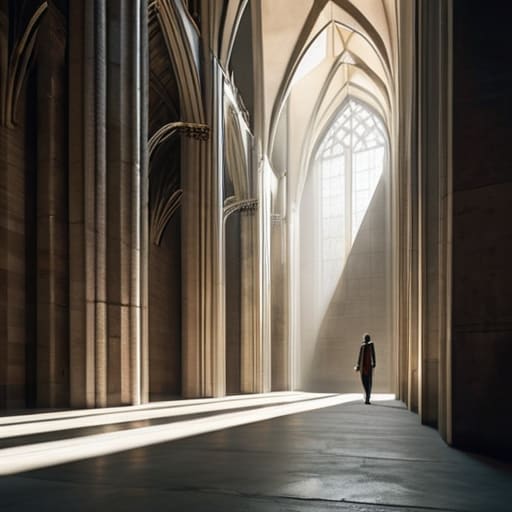
When I was sitting in the corridors of the infirmary, I noticed how quickly a person’s posture changed depending on the room they entered. A room with high, vaulted ceilings and soft light seemed to grant a person permission to breathe, whereas a cramped, fluorescent-lit hallway felt like a silent reprimand. This is the psychology of built environments in its most visceral form. We like to pretend we are masters of our own movements, but we are constantly being nudged, pushed, or soothed by the very walls that surround us.
There is a specific kind of dishonesty in modern glass-and-steel facades that attempt to project transparency while remaining utterly cold. We often mistake sheer scale for importance, yet the visual language of architecture frequently relies on these hollow gestures to mask a lack of actual communal purpose. When a structure uses its weight to intimidate rather than to shelter, it stops being a tool for living and becomes a monument to ego. I have found that the most meaningful spaces are rarely the ones shouting for attention; they are the ones that quietly acknowledge the human scale.
Deciphering the Semiotics of Urban Design and Human Failure
I have often found that the most profound failures of a city aren’t found in its crumbling masonry, but in the way it subtly instructs its inhabitants to remain strangers. When we look at the semiotics of urban design, we aren’t just looking at maps or transit lines; we are looking at a set of instructions on how much of ourselves we are permitted to share with a neighbor. I remember a particular plaza in a city I visited years ago—all sharp angles and polished granite, designed with such sterile precision that it seemed to actively repel the very idea of a lingering conversation. It was a space that demanded movement, not presence.
This is where the psychology of built environments becomes a quiet, heavy weight on the soul. A well-designed street can act as a gentle invitation to belong, yet much of our modern planning feels more like a series of polite exclusions. We build high walls and wide, wind-swept boulevards that prioritize the flow of traffic over the rhythm of a human life. It is a peculiar sort of modern tragedy: we use our greatest engineering triumphs to create environments that fail to hold us, leaving us to wander through beautifully constructed voids where no real community can take root.
The Weight of Empty Space
We often mistake the height of a ceiling or the polish of a marble floor for dignity, but I have found that a building only truly begins to speak when it stops trying to impress us and starts trying to hold us.
Alasdair Renwick-Hale
The Weight of the Walls
We have spent these pages peeling back the veneer of stone and glass, looking for the truth behind the grand gestures. We have seen how architecture attempts to broadcast permanence and power, often while masking a profound disconnection from the actual human beings who inhabit its shadows. Whether it is the intimidating scale of a corporate lobby or the sterile, unyielding lines of modern urban planning, these structures frequently fail because they prioritize the message over the messenger. They offer us a visual language of authority and efficiency, yet they often leave us feeling more isolated than before. Ultimately, a building is not merely a feat of engineering; it is a silent testimony to what a society values—and, more tellingly, what it is willing to ignore.
As I sit here with my fountain pen, thinking of the countless rooms I have occupied in my years of service, I am reminded that the most meaningful spaces are rarely the most imposing. The most enduring architecture is not that which shouts its importance from the skyline, but that which creates a quiet, dignified room for human vulnerability to exist. We must stop building monuments to our own certainty and start designing for our shared fragility. If we can learn to build with a sense of humility, perhaps our cities will finally stop trying to command us and instead begin to truly hold us.