I remember sitting in a sterile hospital waiting room, the air smelling of industrial floor wax and stale coffee, listening to a young man weep because his entire sense of belonging had been shattered by a single, rigid sentence from a textbook. We often talk about councils and doctrinal disputes as if they are clean, intellectual exercises—neatly organized debates held in marble halls where logic eventually triumphs over chaos. But for the person sitting in the wreckage of a fractured community, these aren’t just historical milestones; they are the moments where the ground was pulled out from under their feet. We tend to treat these ancient gatherings as if they solved the fundamental tensions of faith, but if you listen to the people who were actually there, you realize how much of the truth gets lost in the shouting.
I have no interest in offering you the polished, triumphalist version of history found in most commentaries. Instead, I want to walk through the messy reality of how these decisions were actually made and, more importantly, what they cost the people involved. I promise to provide an honest account of where the logic of the great councils meets the limits of human understanding, focusing on the lived experience rather than the slogans.
The Violent Birth of Church Councils and Creedal Development
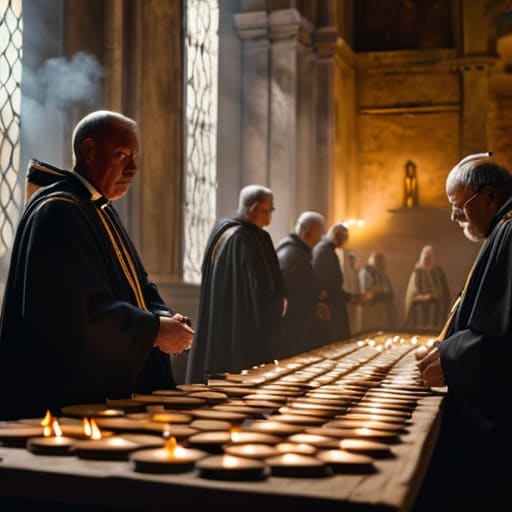
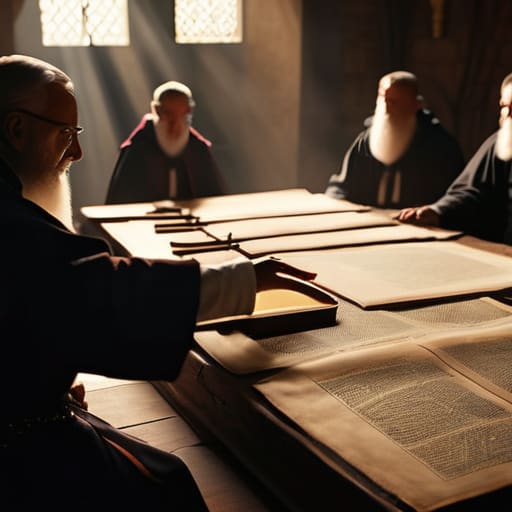
We often look back at the early centuries through a lens of polished marble, as if the formation of orthodox dogma were a tidy, academic exercise conducted in quiet libraries. But the reality was much more visceral. When we study the history of ecumenical councils, we aren’t just looking at debates over Greek particles or subtle shifts in syntax; we are looking at the cracks in the foundation of a world trying to define itself. These weren’t merely disagreements; they were profound identity crises that spilled out of the lecture halls and into the streets, often accompanied by the heavy scent of political maneuvering and genuine, desperate fear.
The theological controversies in the early church were rarely settled with a polite nod of agreement. Instead, they were forged in the heat of exile, social ostracization, and occasionally, outright violence. To understand the development of the creeds, one must acknowledge that these words were often written in the shadow of a sword. There is a certain uncomfortable truth we tend to gloss over: that much of what we now call “settled doctrine” was birthed through a process of exclusion that left many voices silenced forever.
Where Theological Controversies in Early Church Found No Peace
I recall a particular evening in the hospital chapel, years ago, listening to a man grapple with a loss that felt, to him, entirely senseless. He wasn’t looking for a lecture on the nature of suffering; he was looking for a way to inhabit the silence. It struck me then that we often misread the theological controversies in early church as mere academic squabbles. We treat them like math problems to be solved, when in reality, they were profound, agonizing attempts to name the unnameable.
When we look at the formation of orthodox dogma, we tend to see a tidy progression of logic. But the archives tell a different story—one of sleepless nights, broken friendships, and a terrifying sense that if the wrong word was chosen, the very foundation of reality might shift. These weren’t just debates about semantics; they were struggles to find a language that could hold the weight of human experience without breaking. Even after the decrees were signed and the dust settled, the lingering ache of division remained, proving that a consensus on paper rarely mends the fractures in the human heart.
The Cost of Certainty
We often look back at the great councils as if they were tidy rooms where men sat down to solve the mysteries of God, but they were actually battlegrounds where the language of faith was sharpened into a weapon. In the rush to define exactly what we believe, we frequently lose sight of the very people those beliefs were meant to hold together.
Alasdair Renwick-Hale
The Silence After the Storm
Looking back at these centuries of upheaval, I find it difficult to reconcile the polished, immutable creeds we read today with the visceral chaos that birthed them. We have spent a great deal of time tracing the lines of logic in these councils, yet we often overlook the human cost—the exiles, the heated arguments in sun-drenched plazas, and the profound sense of loss when a community fractured over a single, nuanced word. We tend to view these disputes as mere intellectual exercises, but they were, in truth, struggles for the very soul of identity, fought by people who were just as frightened and uncertain as we are today.
Perhaps the lesson isn’t found in the finality of the decrees, but in the persistence of the questioning. History shows us that even when a consensus is reached and a doctrine is codified, the human heart remains restless, always searching for a deeper truth that a single sentence can never quite capture. I have come to believe that our task is not to find a perfect, unshakeable certainty, but to learn how to dwell within the tension. It is in that uncomfortable, unpolished space—where the slogans fail and the questions remain—that we might actually find something resembling grace.