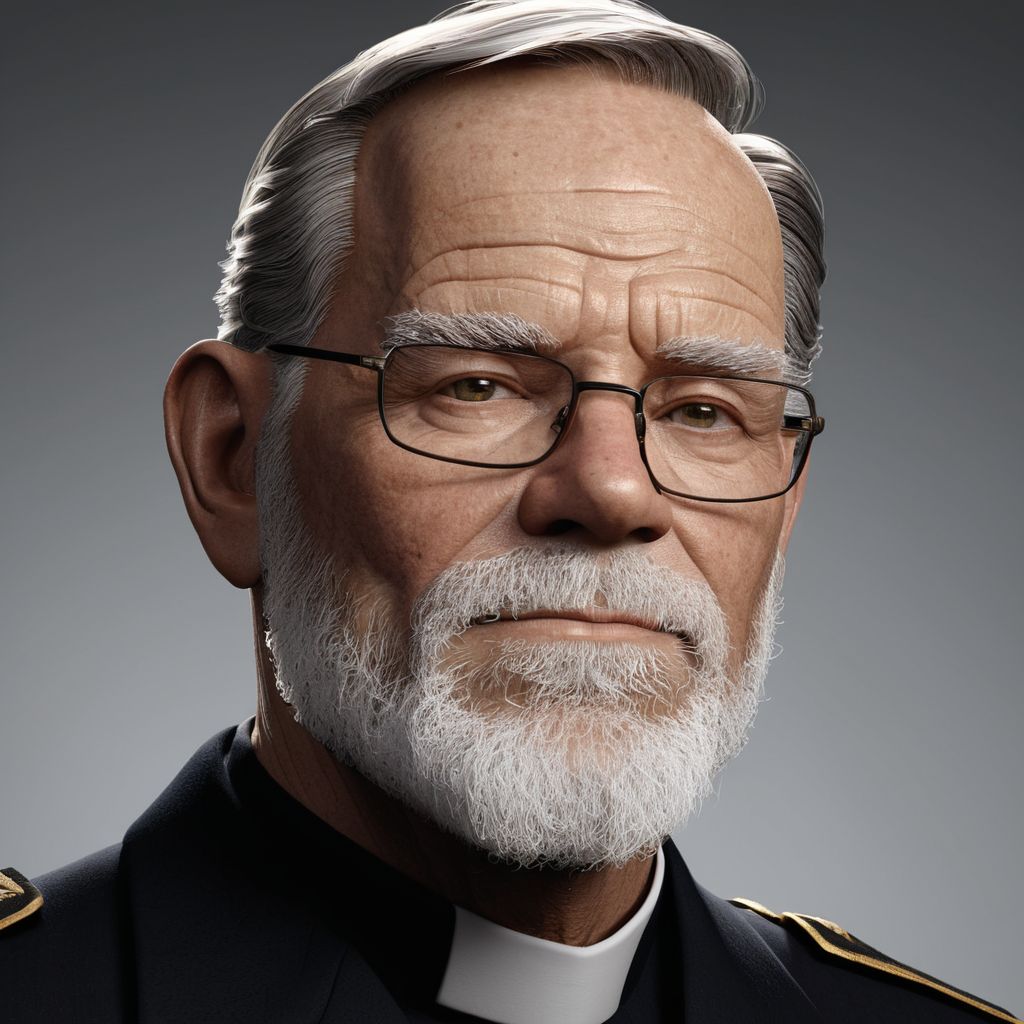
I remember sitting in a sterile hospital room in the late nineties, watching a man stare at a half-empty cup of tea as if it held the secrets of the universe. He wasn’t looking for a five-step program or a motivational quote about “new beginnings”; he was simply grappling with the heavy, physical weight of the room after a long-term patient had passed. There is a particular kind of cruelty in the way modern self-help tries to polish the edges of grief, offering bright, shiny slogans to fix the jagged reality of when someone leaves. We are told to “move on” or “find closure,” as if loss were a simple math problem to be solved rather than a permanent alteration of the landscape.
I have no intention of offering you a roadmap to happiness or a way to bypass the ache. What I can offer, drawn from thirty years of sitting in the quiet corners of human suffering, is an account of what actually happens when the dust settles. We will look at the messy, unscripted parts of loss—the parts that don’t make it into the greeting cards—and explore how to live within the unresolved spaces left behind.
Coping With Sudden Loss and the Failure of Slogans

I remember a man in the oncology ward, years ago, who gripped my hand so tightly his knuckles turned white. He wasn’t asking for a prayer or a platitude; he was looking for a way to survive the sheer, jagged speed of it all. When a life is upended in an instant, the usual advice—the kind found on colorful greeting cards or in self-help seminars—feels like a personal insult. We are told to focus on emotional resilience during transitions, as if we can simply muscle our way through a fracture in the soul. But there is no muscle for this. There is only the heavy, unblinking reality of the void left behind.
We try to fill the silence with busywork or the hollow comfort of “everything happens for a reason,” but those are just masks for our own terror. Coping with sudden loss isn’t a linear climb toward some bright, sunny summit; it is more like learning to walk through a room where the furniture has been moved in the dark. You stumble, you bruise your shins, and you realize that finding peace after departure isn’t about fixing what was broken, but learning to inhabit the wreckage.
The Quiet Exhaustion of Navigating Life Changes and Endings
There is a specific kind of fatigue that doesn’t come from physical labor, but from the sheer weight of reorienting one’s internal compass. When a person exits your life, the geography of your daily routine shifts overnight. You find yourself reaching for a phone to share a thought, or turning toward a chair that is now, quite pointedly, vacant. This is the taxing reality of navigating life changes and endings; it is not a single, dramatic event, but a thousand tiny, exhausting adjustments to a world that no longer fits the shape of your habits.
I remember a woman I sat with years ago who felt she was failing because she couldn’t simply “move on.” She felt she lacked the strength required for emotional resilience during transitions. I told her then, as I tell myself now, that resilience isn’t a sturdy shield you carry; it is more like the way a tree survives a storm—by bending until it feels it might snap, and then simply existing in the aftermath. We often mistake the ability to endure for the ability to thrive, forgetting that sometimes, the most profound work is merely staying present within the wreckage of what used to be.
The Residual Weight
We are often told that time heals, as if grief were merely a wound that scabs over if left undisturbed, but I have found that people do not actually ‘get over’ a departure; they simply learn to carry the new shape of the silence that the person left behind.
Alasdair Renwick-Hale
The Space Left Behind
We have spent some time looking at the jagged edges of departure—the way the sudden silence can feel less like peace and more like a weight, and how the well-worn clichés of “moving on” often feel like an insult to the depth of what was lost. I have learned, through many long afternoons in hospital rooms and quiet studies, that there is no efficient way to navigate a life that has been fundamentally rearranged. We cannot simply engineer our way out of the grief or the exhaustion that comes with a changed landscape. To expect ourselves to be “resilient” in the way modern slogans demand is to misunderstand the very nature of how we are stitched together by the people we love.
Perhaps the goal isn’t to find a way to fill the void, but to learn how to inhabit it without breaking. There is a certain, heavy dignity in simply staying present with the absence, even when it feels entirely unmanageable. I find myself thinking often of the books I bind; sometimes the most important part of the work is not the leather or the gold leaf, but the way the spine holds everything together when the pages are thin. May you find that your own quiet endurance is enough, even when the maps you once relied upon have been rendered useless.