I remember sitting in a cramped, fluorescent-lit hospital boardroom years ago, watching a group of highly educated men argue over a thick binder of procedural bylaws while a patient in Room 402 was quietly slipping away. They were obsessed with the mechanics of governance and decision making, treating the process like a mathematical equation that could somehow bypass the messy, unpredictable reality of human suffering. It was a performance of competence that lacked any actual substance. We have been sold this idea that if we just build a complex enough architecture of rules and reporting lines, we can insulate ourselves from the weight of our own choices.
I have no interest in helping you build a more elaborate paper trail. What I want to do is look past the glossy manuals and discuss what happens when the structure actually meets the person. I won’t offer you a blueprint for a flawless system—because those don’t exist—but I will offer an honest account of how to navigate the moral friction that occurs when you are forced to choose. We are going to talk about how to lead when the rules are silent and the stakes are real.
Why Organizational Leadership Frameworks Often Collapse Under Pressure

I remember sitting in a hospital ward during a particularly chaotic winter, watching a team of doctors scramble through a crisis. They had the protocols, the charts, and the hierarchy, yet when the real weight of a difficult choice landed, the paperwork felt utterly useless. It’s much the same with organizational leadership frameworks. We tend to build these elaborate structures, thinking that if we just map out every possible contingency, we can insulate ourselves from the messiness of human error. But a framework is just a skeleton; it lacks the muscle and nerve required to react when the environment shifts beneath your feet.
The collapse usually happens because we mistake the model for the reality. We spend months refining our corporate governance models, polishing the language and ensuring every box is checked, only to find that they rely on a level of calm that simply doesn’t exist in a crisis. When the pressure mounts, people don’t revert to the manual; they revert to their instincts, their biases, and their fears. If your system hasn’t accounted for the fragility of human composure, then all your strategic oversight is merely a way of rearranging deck chairs while the storm rolls in.
The Limits of Strategic Oversight Mechanisms in Chaos
We often treat strategic oversight mechanisms as if they were sturdy architectural blueprints, something we can simply unfold when the weather turns foul. But in my years sitting in hospital corridors, I learned that when a crisis actually breaks, people rarely consult a manual. They look to the person standing next to them. Most corporate governance models are designed for the sunlight of prosperity; they assume a level of predictability that simply does not exist when the ground begins to shift. When the panic sets in, those polished charts and reporting lines tend to feel remarkably fragile.
The problem is that we mistake a well-documented process for actual wisdom. You can implement the most sophisticated stakeholder engagement strategies in the world, but if those processes don’t account for the raw, messy reality of human fear, they will fail. I have seen committees spend hours debating the nuances of a policy while the actual emergency was unfolding right outside their door. We have become so obsessed with the mechanics of oversight that we often forget that true accountability is found in character, not in the elegance of a flowchart.
The Illusion of the Paper Trail
We spend a great deal of time drafting bylaws and polishing decision-making matrices, as if a well-turned phrase on a page could somehow insulate us from the messy, unpredictable weight of a crisis. But I have learned that true governance isn’t found in the elegance of the framework; it is found in the quiet, often uncomfortable integrity of the person standing in the room when the plan inevitably fails.
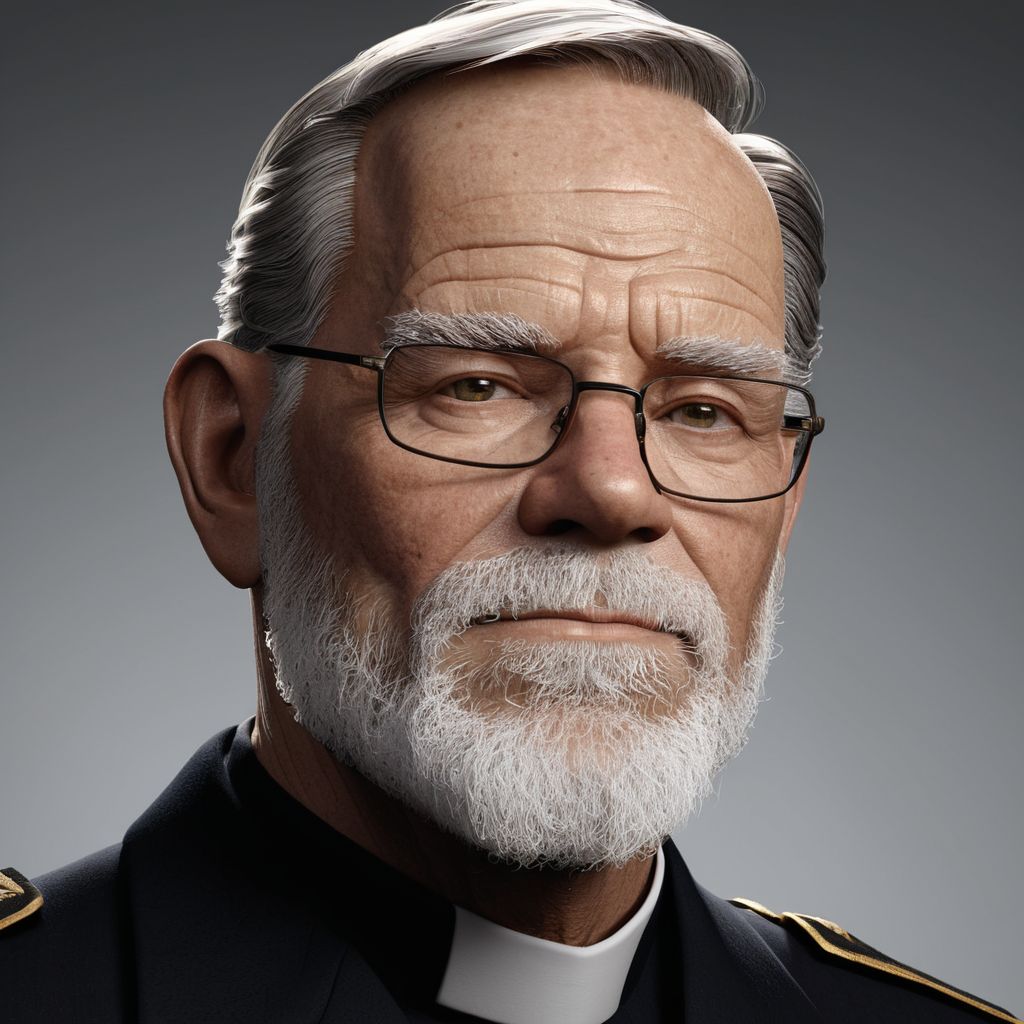
Alasdair Renwick-Hale
The Human Element in the Machinery
We have spent these pages dissecting the mechanics of oversight and the inevitable fraying of strategic frameworks when the wind actually picks up. It is easy to believe that if we only refine the flowchart or tighten the reporting structure, we can engineer a way out of crisis. But my time in the hospital wards taught me that systems are only as resilient as the people inhabiting them. You can have the most robust governance model in the world, but when the pressure mounts and the variables shift, those documents won’t make a decision for you; they will only provide a record of how you failed to prepare for the unpredictable nature of reality.
Ultimately, governance is not a problem to be solved with better software or more complex committees, but a practice of disciplined presence. It is about cultivating the character of those who must act when the manuals run dry. I find myself returning to the idea that true leadership is less about the brilliance of the plan and more about the integrity of the pause—that quiet, difficult moment where we stop looking for a rule and start looking at the human cost of our choices. Do not seek a perfect system; seek a community of people who are willing to stay in the room when things get complicated.